

Live Shopping Platform 101: A Beginner's Guide to Mastering Shoppable Video
- Rick Amico
- Jan 27
- 5 min read
If you have been relying on Zoom or similar video conferencing tools for your sales presentations, you may have noticed a gap between engagement and actual conversions. A live shopping platform bridges that gap by combining real-time video interaction with seamless purchasing capabilities, transforming passive viewers into active buyers. Unlike traditional webinar software built for meetings, shoppable video technology is designed from the ground up for selling.
In this guide, we will walk you through everything you need to know about live shopping platforms, how they compare to standard video conferencing tools, and why businesses focused on conversion are making the switch.
What Is a Live Shopping Platform and Why Does It Matter?
A live shopping platform is a real-time video marketing solution that allows hosts to present products while viewers can purchase directly during the stream. Unlike prerecorded content or static product pages, this format combines entertainment, education, and commerce into a single interactive experience.
The key elements that define a live shopping platform include:
Real-time video that creates urgency and authenticity
Clickable product tags embedded within or alongside the video
Interactive features like live Q&A, polls, and chat
Seamless checkout so viewers never leave the experience
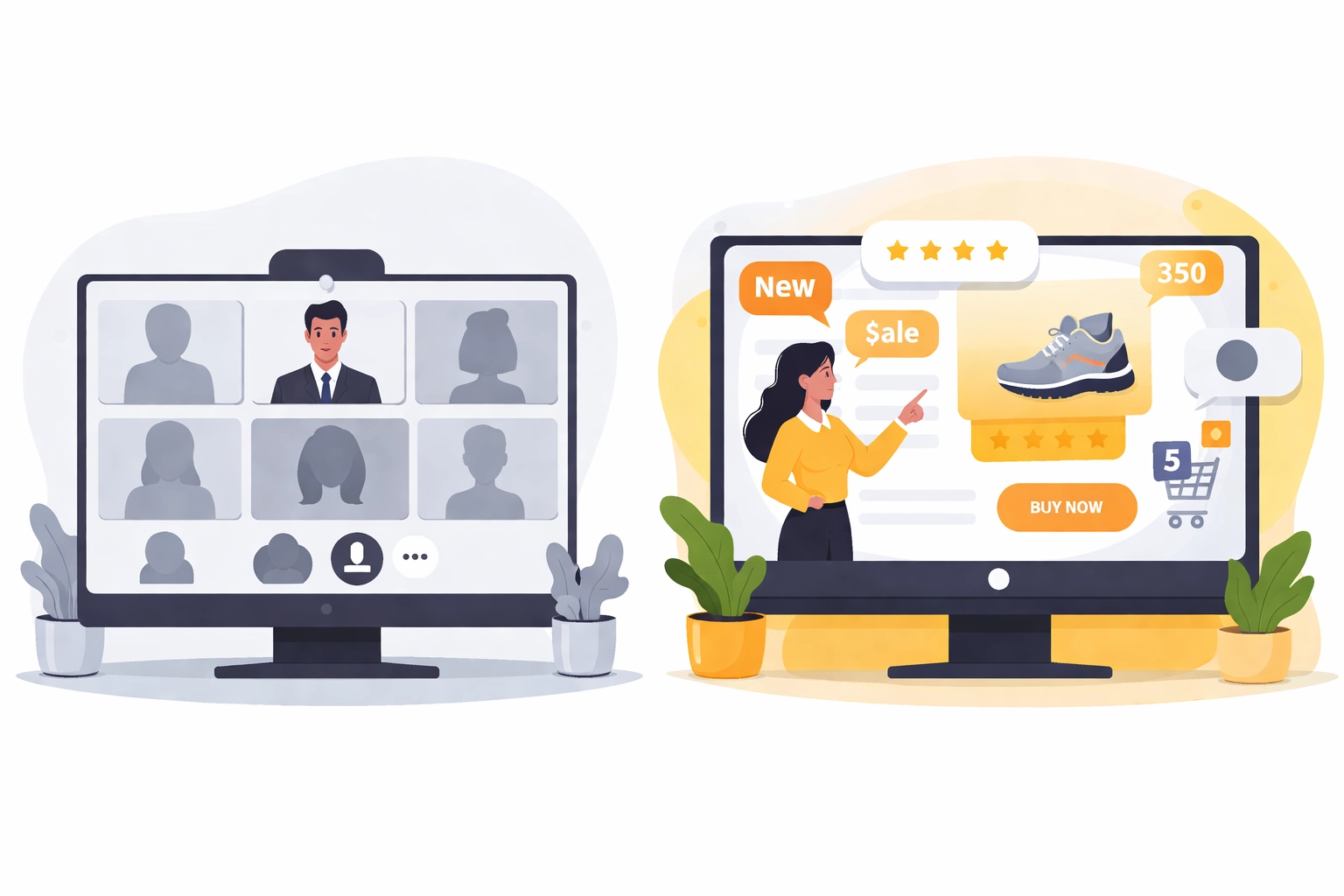
For businesses that rely on presentations to drive sales, this represents a significant upgrade from tools like Zoom, Google Meet, or Webex, which were built for meetings rather than transactions.
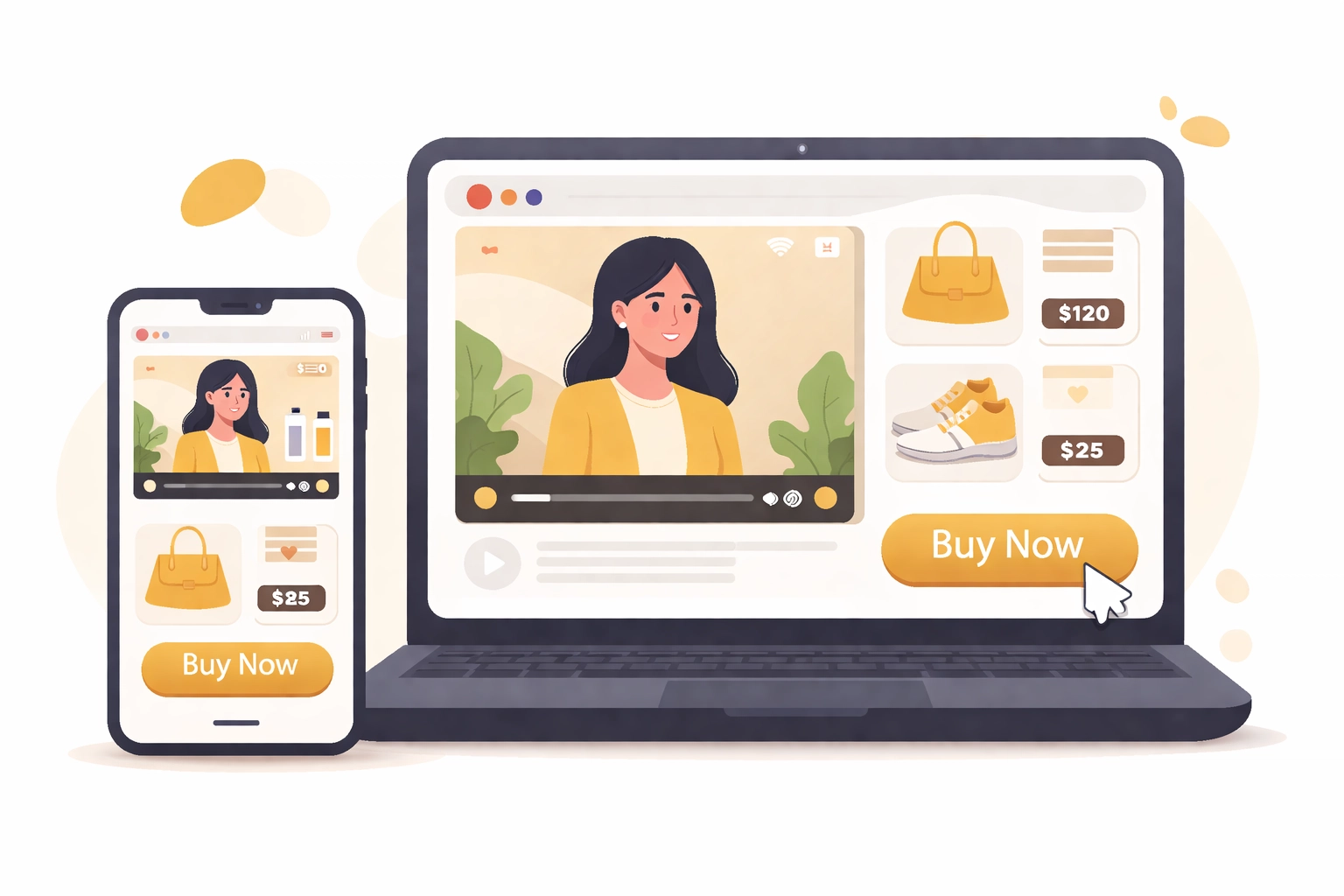
Zoom Alternatives: Why Standard Video Conferencing Falls Short for Selling
Zoom and similar platforms excel at virtual meetings and collaboration. However, when the goal shifts from communication to conversion, their limitations become apparent.
Here is a comparison of traditional video conferencing versus interactive selling platforms:
Feature | Zoom/Google Meet/Webex | Live Shopping Platform |
Primary Purpose | Meetings and collaboration | Sales and conversions |
Product Integration | None | Built-in product tagging |
Checkout Capability | External links required | Seamless in-stream purchasing |
Engagement Tools | Basic chat and reactions | Interactive overlays, polls, Q&A |
Tracking and Analytics | Attendance metrics | Conversion tracking, revenue attribution |
Download Required | Often yes | No downloads needed |
The fundamental difference is intent. Traditional platforms assume participants want to discuss and collaborate. A live shopping platform assumes viewers are potential buyers who need information, engagement, and a frictionless path to purchase.
Getting Started with Shoppable Video: A Step-by-Step Approach
Whether you are a solo consultant, a sales team leader, or someone building a client-facing platform for your organization, getting started with shoppable video does not have to be complicated.
Step 1: Define Your Goals and Audience
Before selecting a platform or planning your first stream, clarify what success looks like. Are you focused on:
Launching a new product or service?
Building deeper relationships with existing customers?
Creating a scalable sales system for your team?
Understanding your audience is equally important. Consider their preferences, the problems they need solved, and the type of content that resonates with them.
Step 2: Choose the Right Platform
Not all live shopping platforms are created equal. When evaluating your options, look for:
No download requirements so viewers can join instantly
Smart invite links that track where attendees came from
Interactive touch screen experiences that keep viewers engaged
E-commerce integration for seamless product tagging and checkout
AI-powered features that enhance presentation quality
Commission tracking if you work with affiliates or team-based selling
For businesses looking beyond basic video conferencing, platforms like MyPitch offer these capabilities in a single solution designed for conversion.
Step 3: Select Your Products or Offers
Keep your first few sessions focused. Experts recommend featuring no more than 10 products per stream to maintain a clear narrative. Start with:
Bestsellers that already have proven demand
New launches that benefit from live demonstration
Bundles or exclusive offers that create urgency
Step 4: Prepare Your Content and Visuals
While live shopping is spontaneous by nature, preparation separates successful hosts from those who struggle. Develop talking points that cover:
Key product features and benefits
Common objections and how to address them
Clear calls to action throughout the presentation
Visual preparation matters too. Plan to demonstrate products from multiple angles, show them in real-world contexts, and use storytelling to create emotional connections.
Step 5: Test Everything Before Going Live
Technical issues during a live stream can destroy credibility and cost sales. Conduct a full rehearsal that tests:
Audio and video quality
Product tag functionality
Checkout flow
Backup plans for connectivity issues
Best Practices for Maximizing Engagement and Conversions
Once you have the basics in place, these strategies will help you get the most from your live shopping sessions.
Keep Content Concise and Value-Driven
Viewers have limited attention spans. Deliver information in digestible segments rather than lengthy monologues. Focus on demonstrating real-world value and showing how your products solve specific problems.
Incorporate Live Q&A
One of the biggest advantages of live video is the ability to address questions in real time. This builds trust, overcomes objections, and provides valuable insights into what your audience cares about most.
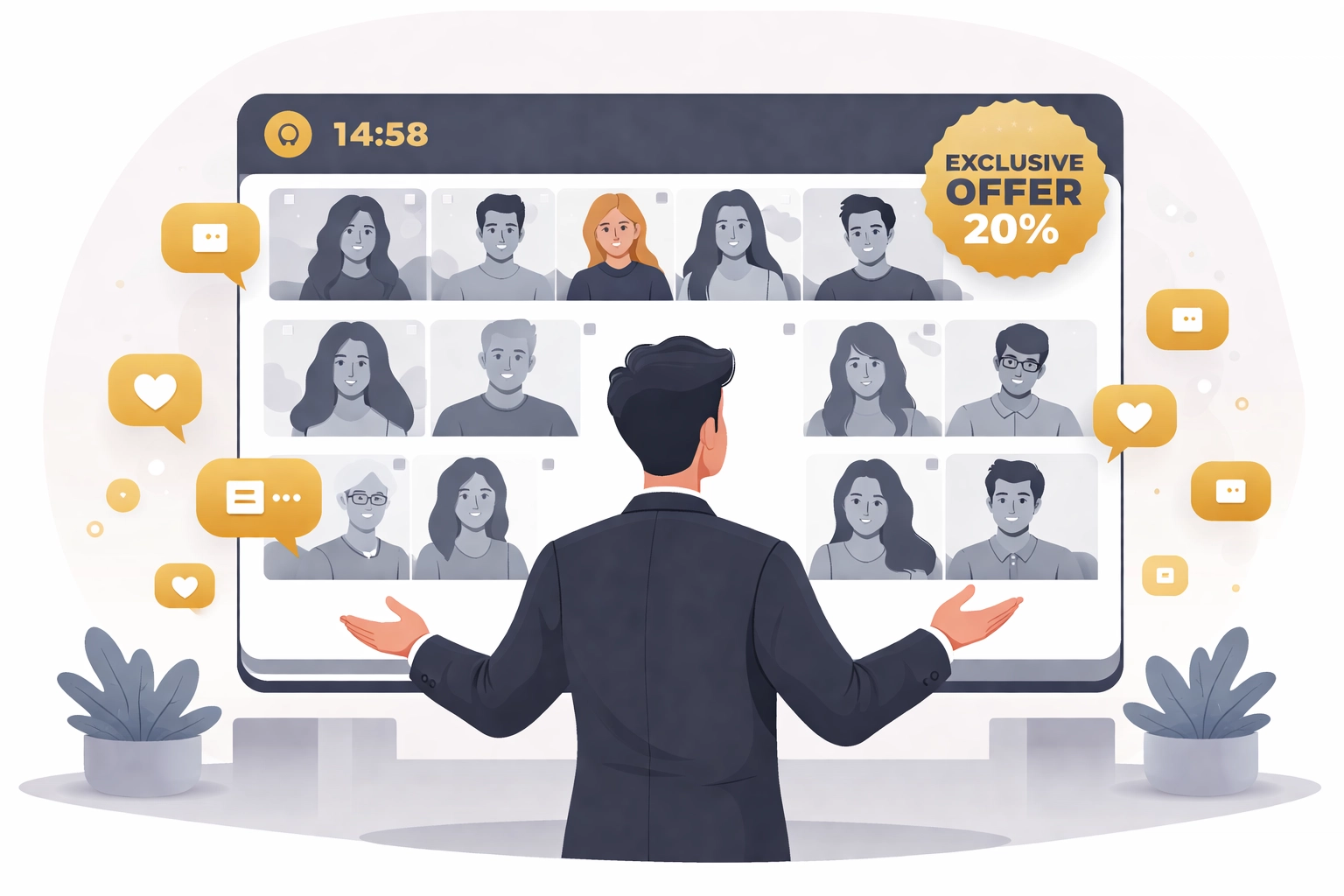
Create Urgency with Exclusive Offers
Provide discount codes or special promotions available only during the livestream. This incentivizes immediate action rather than the "I will think about it" response that kills conversions.
Use Analytics to Improve Over Time
After each session, analyze your performance data. Track which products generated the most interest, when engagement peaked, and where viewers dropped off. Use these insights to refine your approach for future streams.
How Teams and Consultants Can Leverage Live Shopping Technology
Live shopping platforms are not just for individual sellers. They offer powerful capabilities for team-based selling and consultant-led organizations.
Consider these applications:
Sales teams can use interactive presentations to qualify leads and close deals faster
Consultants can offer live shopping as part of their service offerings to clients
Team leaders can deploy the platform across their organization with built-in tracking
Platform partners can use commission tracking software to manage affiliate relationships
The key is choosing a solution that scales with your needs while providing the tracking and analytics required to measure results across multiple users.
Choosing a Zoom Alternative Built for Conversion
If your current webinar or video conferencing setup is not generating the sales results you need, it may be time to evaluate purpose-built alternatives. The shift from meeting-focused tools to selling-focused platforms represents a fundamental change in how businesses approach video communication.
When comparing options, prioritize platforms that offer:
Interactive features designed for engagement
Native product integration and checkout
No friction for attendees (no downloads, no complicated sign-ups)
Robust tracking for attribution and commission management
Scalability for team-based deployment
To explore how interactive webinar technology can support your sales goals, book a demo and see these features in action.
The Future of Selling Through Video
The line between content and commerce continues to blur. Audiences increasingly expect interactive, engaging experiences that respect their time while making purchasing easy. Businesses that adapt to this shift will have a significant advantage over those still relying on tools built for a different purpose.
Live shopping platforms and shoppable video technology represent the next evolution in how products and services are presented and sold online. Whether you are a business owner, marketer, sales professional, or team leader, understanding these tools is essential for staying competitive.
If you are evaluating Zoom alternatives for selling or engagement, it may be worth exploring interactive webinar platforms designed for conversion.
Comments