

Live Shopping Platform Guide: How to Turn Every Presentation Into Sales in 2026
- Rick Amico
- Feb 19
- 5 min read
The way we sell online has completely transformed. Gone are the days when presentations were just about sharing information: now they're full-blown sales channels. With live shopping platform technology evolving at breakneck speed and US livestream ecommerce sales hitting $14.64 billion in 2025 (up nearly 50%), the question isn't whether to integrate shopping into your presentations, but how to do it effectively.
If you're still using traditional meeting platforms that weren't built for selling, you're leaving serious revenue on the table. Let's break down exactly how to turn every presentation into a conversion machine in 2026.
Why Traditional Presentation Tools Fall Short for Sales
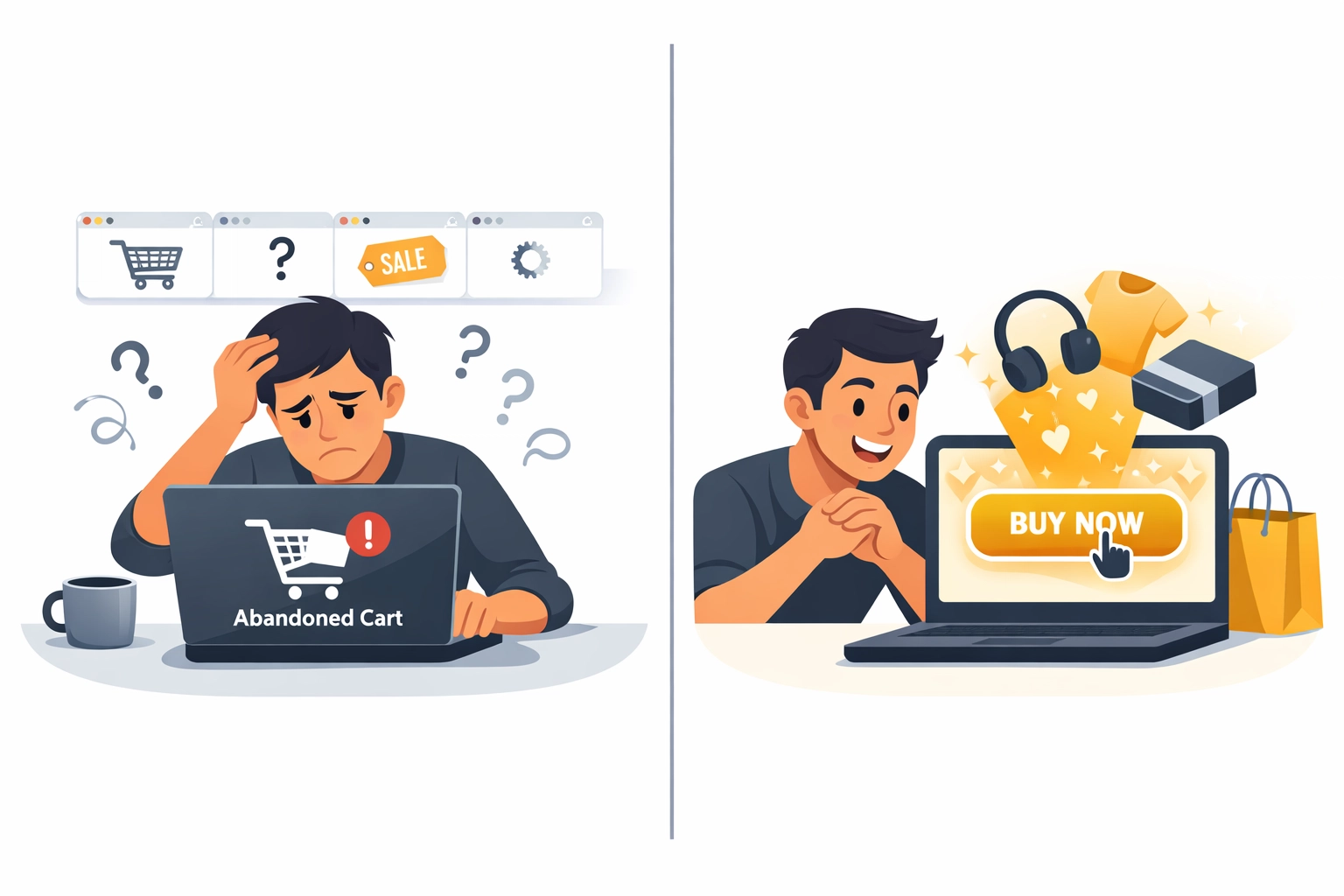
Here's the thing: most video conferencing and webinar tools were designed for meetings and information sharing, not for closing deals. They force your viewers to take multiple steps: write down product names, leave the presentation, search for your website, navigate to the right product page, and then complete checkout. That's a lot of friction, and each step is a chance to lose the sale.
Modern live shopping platforms solve this by bringing the entire buying experience directly into your presentation. No tab-switching. No memory-testing. No abandoned carts because someone got distracted between your demo and their checkout.
Choosing the Right Live Shopping Platform for Your Business
Not all platforms are created equal. When evaluating options for 2026, you need to look beyond basic screen sharing and chat features. The platform you choose should eliminate barriers between showcasing your product and completing the purchase.
Key features to prioritize:
The MyPitch platform incorporates all of these elements specifically because traditional webinar tools couldn't handle the demands of modern sales presentations.
Pre-Presentation Planning That Drives Sales
Great live shopping events don't happen by accident. The most successful sellers start planning at least three weeks ahead. Here's your strategic timeline:
Three weeks out: Lock in your date and time. Schedule when your target audience is most active: typically early evenings or weekends for consumer products, mid-week mornings for B2B.
Two weeks out: Start building anticipation. Send save-the-date emails, post teasers on social media, and create FOMO around limited quantities or exclusive offers available only during the live event.
One week out: Send detailed reminders with smart links that not only confirm attendance but also track interest levels and remind non-registrants what they're missing.
Product selection matters: Choose 3-5 items that demonstrate well on camera. They should solve clear problems, show visible results, or have features that are easier to understand when demonstrated live rather than described in text.
Make sure you have sufficient inventory. Nothing kills momentum faster than running out of stock during a hot streak. Build in buffer inventory for your bestsellers.

Structuring Your Sales Presentation for Maximum Conversions
The first 60 seconds determine whether viewers stay or bounce. Open with energy and immediately preview what they'll see and what exclusive offers are available during the stream.
The proven presentation flow:
Real-Time Engagement Tactics That Convert
The difference between a presentation and a conversation is what turns viewers into buyers. When someone comments or asks a question, respond immediately. Use their name. Make them feel seen.
Tactical engagement strategies:
Stay natural. Scripts are fine for structure, but the best moments happen when you're authentic and responsive to what's happening in the moment.

Product Tagging and Display Best Practices
Strategic product tagging directly impacts clicks and purchases. Here's how to do it right:
Display one product prominently at a time. When you're demonstrating Product A, that's the only product link visible. Don't clutter the screen with multiple options: it causes decision paralysis.
Say the action out loud: "Tap the product link right there to see all available colors and sizes." Verbal directions + visual cues = higher click-through rates.
Time your tags strategically. Pin the product link during peak interest moments: right after demonstrating a compelling feature or answering a key objection.
Show pricing clearly during demonstrations. Transparency builds trust and reduces the mental barrier to clicking through.
Removing Purchase Friction
Every extra step between interest and purchase costs you conversions. The global livestream shopping market is projected to exceed $1 trillion by 2026 precisely because it collapses the buying journey.
Friction reducers:
Platforms with seamless e-commerce integration handle all of this automatically. You focus on presenting; the technology handles the transaction complexity.
Follow-Up Strategy for Non-Purchasers
The presentation doesn't end when you stop streaming. Within 24 hours, follow up with attendees who watched but didn't buy.
Send personalized emails including:
Highlights from the stream they attended
Direct links to products they showed interest in (trackable via engagement analytics)
A limited-time offer exclusive to attendees
Answers to common questions raised during the live event
Smart tracking from platforms like MyPitch shows exactly which products each viewer engaged with, allowing hyper-targeted follow-up that feels personal rather than generic.

Analytics That Drive Better Results
The most successful live sellers obsessively analyze their data. Modern platforms provide detailed insights into:
Drop-off points: When do viewers leave? Adjust pacing or content around those moments.
Click patterns: Which products generate the most interest? Lead with those in future streams.
Engagement triggers: Which interactive elements drive the most participation?
Conversion paths: What sequence of actions leads to purchases?
Use these insights to refine every presentation. The most effective live shopping strategies evolve based on real data, not guesses.
Technology Enhancements Shaping 2026
AI and immersive technologies are transforming what's possible in live shopping:
AI-powered recommendations analyze viewer behavior in real-time and suggest products they're statistically most likely to buy. It's like having a personal shopper for each viewer simultaneously.
Augmented reality features let viewers virtually try products through their screens: seeing how furniture looks in their space or how makeup appears on their face. This reduces uncertainty and increases purchase confidence.
Automated highlights use AI to identify and clip the most engaging moments from your stream, creating shareable content that extends reach beyond the live event.
The best platforms integrate these features seamlessly, enhancing rather than complicating the experience.
Building Sustainable Momentum
One-off presentations can drive sales, but consistent live shopping builds audiences and predictable revenue streams.
Create a regular schedule: weekly or bi-weekly. Train your audience to anticipate and attend your events. Regular viewers convert at much higher rates than first-timers.
Build hype across all channels: email, SMS, social media, even paid advertising. The more touchpoints you create before the event, the higher your attendance and engagement.
Mix up your format: product launches, Q&A sessions, customer spotlights, behind-the-scenes content. Variety maintains interest and gives you multiple reasons to bring people back.
The presenters who consistently win in live shopping treat it as a core channel, not a side experiment. They invest in quality equipment, refine their approach based on data, and build it into their overall sales strategy.
The Path Forward
Traditional presentation tools served us well when all we needed was to share information. But in 2026, presentations need to do more than inform: they need to convert. Live shopping platforms built specifically for sales remove the friction between interest and purchase, creating seamless experiences that turn viewers into buyers.
The technology exists right now to transform every presentation into a sales channel. The question is whether you'll adapt to meet your customers where they're already shopping, or stick with tools built for a different era.
If you're evaluating platforms that combine interactive presentations with integrated shopping capabilities, it may be worth exploring solutions designed specifically for conversion rather than just communication.
Comments