

Live Shopping Platform Secrets Revealed: How to Turn Every Webinar Into a Shoppable Experience
- Rick Amico
- Feb 15
- 6 min read
If you're using Zoom for webinars, you already know the biggest limitation: it's built for meetings, not selling. While Zoom excels at screen sharing and video conferencing, it lacks the interactive features that turn presentations into revenue-generating experiences. Today's business owners, network marketing teams, and sales consultants need more than passive webinars: they need live shopping platform capabilities that allow attendees to buy, engage, and interact without leaving the presentation.
The good news? Modern webinar software is evolving beyond the traditional meeting format. Interactive presentation software now combines the best of video conferencing with real-time commerce features, creating true shoppable video experiences that convert viewers into customers instantly.
What Makes a Webinar "Shoppable"?
A shoppable webinar isn't just a presentation with a link to your store. It's an integrated experience where products, services, or offers are embedded directly into the presentation interface. Attendees can browse, select, and purchase without being redirected to another tab or losing their place in your content.
Traditional webinar platforms like Zoom, Webex, and Google Meet were designed for collaboration, not conversion. They lack:
In-stream product showcasing that keeps attention on your offer
Real-time checkout capabilities that eliminate friction
Interactive touch screen experiences that engage mobile and tablet users
Commission tracking software for team-based selling environments
Smart invite links that track who referred each attendee
The result? Most webinars end with a verbal pitch, a chat link, and hope that attendees remember to visit your site later. Spoiler: most won't.
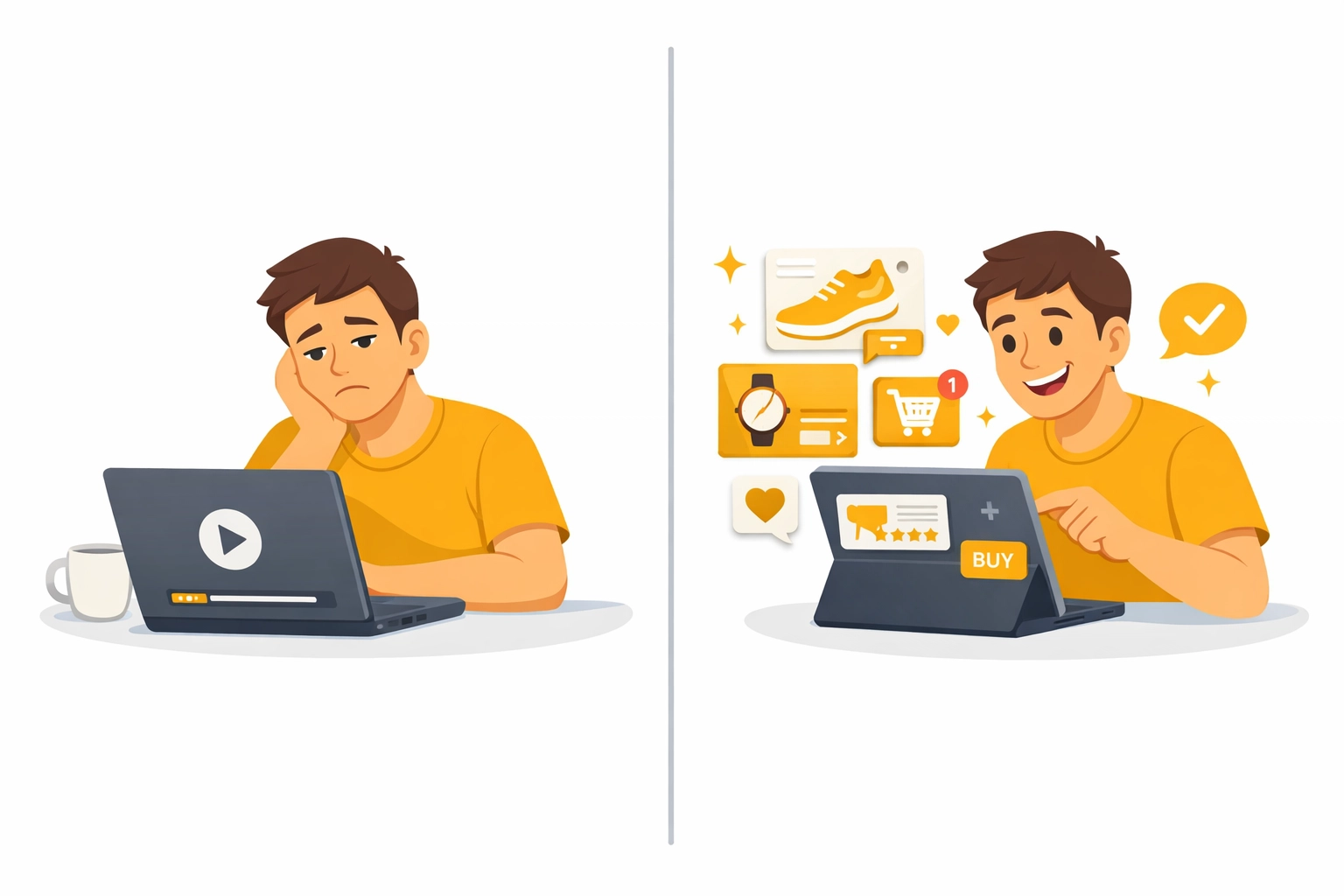
The Live Shopping Platform Revolution in Webinars
Live stream shopping isn't just for influencers on TikTok anymore. Business owners are discovering that the same principles driving social commerce platforms can be applied to professional webinars: with far better targeting and conversion rates.
A true live shopping platform for webinars combines:
Integrated Product Catalogs: Display your offers, packages, or products directly within the webinar interface. Attendees see pricing, descriptions, and purchase options without leaving the stream.
One-Click Checkout: The biggest killer of webinar sales is asking attendees to "click the link in the chat." Every redirect loses 40-60% of potential buyers. Shoppable webinars remove that friction entirely with in-app purchasing.
Real-Time Engagement Tools: Interactive polls, Q&A features, and reaction buttons keep attendees engaged: and engagement directly correlates with purchase intent.
No Downloads Required: Unlike traditional webinar software that requires desktop apps, modern interactive webinar platforms run entirely in-browser. This means lower barriers to entry and higher attendance rates.
Seamless E-Commerce Integration: Connect your existing Shopify, WooCommerce, or payment processor without complex APIs or developer work.
Why Zoom Alternatives Matter for Selling
Let's be clear: Zoom is excellent for internal meetings, team calls, and collaborative work sessions. But if your goal is to sell products, enroll clients, or convert leads, you're using the wrong tool.
Here's a direct comparison:
Feature | Zoom | Interactive Webinar Platform |
Screen sharing | ✓ | ✓ |
Video conferencing | ✓ | ✓ |
Product showcasing | ✗ | ✓ |
In-stream checkout | ✗ | ✓ |
Commission tracking | ✗ | ✓ |
Interactive touchscreen | ✗ | ✓ |
Affiliate link tracking | ✗ | ✓ |
Mobile-optimized buying | ✗ | ✓ |
Network marketing leaders, consultants, and sales teams using Zoom for presentations quickly hit a ceiling. They can demonstrate products and explain offers, but the actual transaction happens elsewhere: if it happens at all.
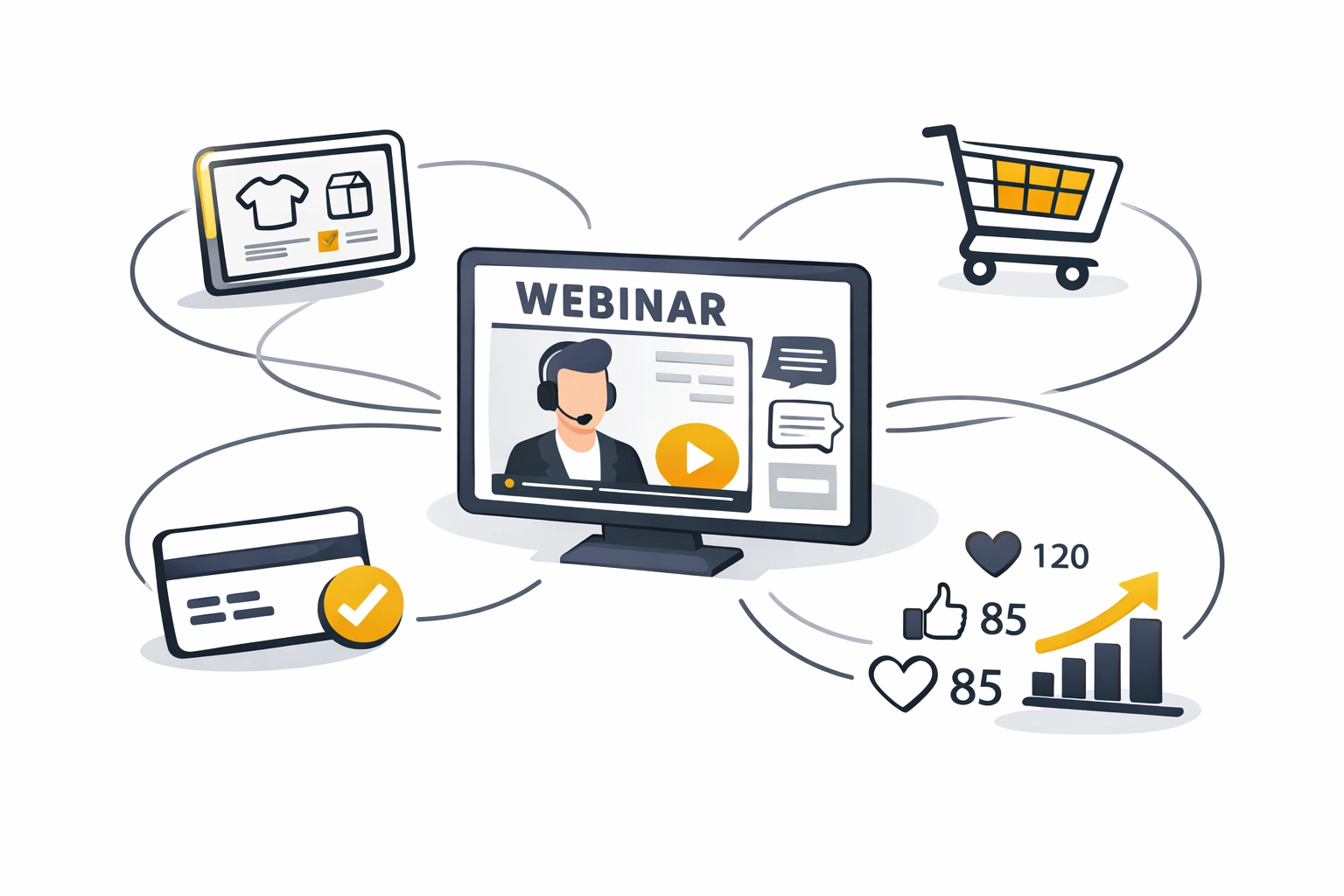
Building Your Shoppable Webinar Strategy
Turning your webinars into conversion machines requires more than just switching platforms. Here's how to structure your shoppable webinar experience:
1. Pre-Webinar Setup
Use smart invite links that track referral sources automatically. If you're working with a team or downline, this becomes critical for accurate commission tracking software. Each team member gets a unique tracking link, and the platform automatically attributes registrations and sales to the right person.
This eliminates spreadsheet management and creates transparency across your entire sales organization.
2. Opening Hook (First 5 Minutes)
Your opening should acknowledge the interactive nature of the experience: "You'll notice this isn't your typical webinar. You can interact with what I'm showing you, ask questions in real-time, and if something resonates, you can take action immediately without leaving this screen."
This sets expectations and primes attendees to engage with the shoppable features you'll introduce.
3. Product Demonstration with Live Interaction
Instead of just showing slides or sharing your screen, use interactive presentation software that lets attendees touch, explore, and interact with what you're presenting. If you're demonstrating a physical product, allow 360-degree views. If you're explaining a service package, let them explore different tiers with a tap.
The key difference between traditional webinar software and shoppable platforms is this interactivity. Passive viewers become active participants.
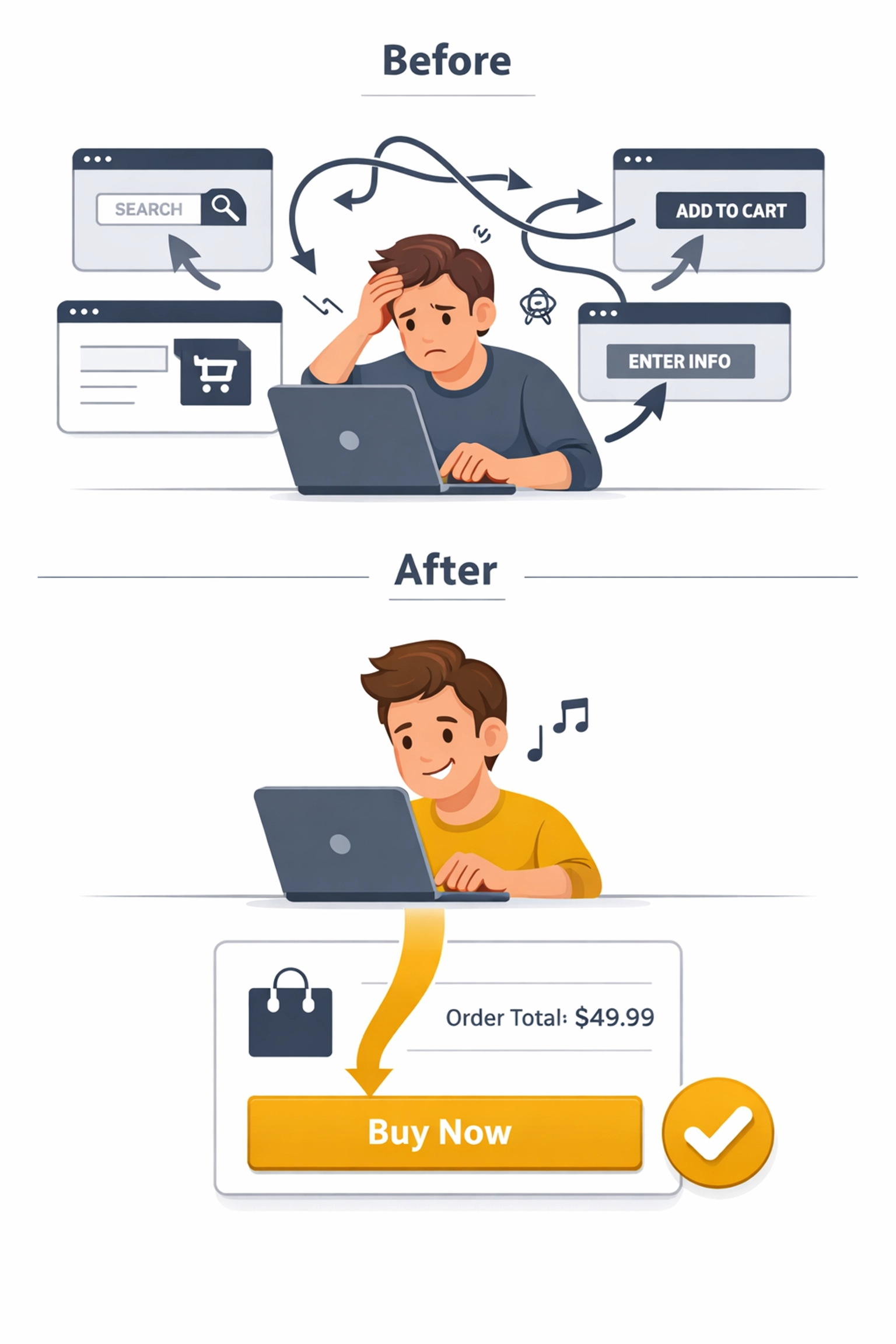
4. Strategic Product Placement
Don't wait until the end to introduce your offer. Modern live shopping platform strategies involve multiple touchpoints:
Early positioning (10-15 minutes in): "Here's what we're going to cover, and I'll show you exactly how to implement this through [your product/service]."
Mid-webinar showcase (30-40 minutes in): Detailed demonstration with the product catalog visible on-screen.
Closing offer (50-55 minutes in): Limited-time incentive with one-click purchase option.
Each mention includes a visible, clickable product card that stays accessible throughout the presentation.
5. Post-Webinar Automation
The webinar doesn't end when you stop talking. Your shoppable video remains accessible as an on-demand asset. Late registrants, no-shows, and anyone who didn't purchase live can still access the interactive experience and buy at their convenience.
This extends your conversion window from 60 minutes to weeks or months, dramatically increasing ROI per webinar produced.
Features That Separate Meetings from Selling Webinars
When evaluating Zoom alternatives for your business, focus on these conversion-specific features:
AI-Powered Features: Smart platforms now include AI-driven product recommendations based on viewer behavior, automated follow-up sequencing, and predictive analytics that tell you which attendees are most likely to buy.
Affiliate Marketing Tools: If you're building a team-based business model or working with partners, built-in affiliate tracking eliminates the need for third-party software. Every sale is automatically attributed to the correct referrer, and commissions are calculated in real-time.
Multi-Device Optimization: Your audience isn't just on desktops anymore. Interactive webinar software must deliver the same shoppable experience on mobile, tablet, and desktop without degradation in functionality.
Seamless Integration: The best platforms connect with your existing tech stack: CRM, email marketing, payment processors, and e-commerce platforms: without requiring custom development work.
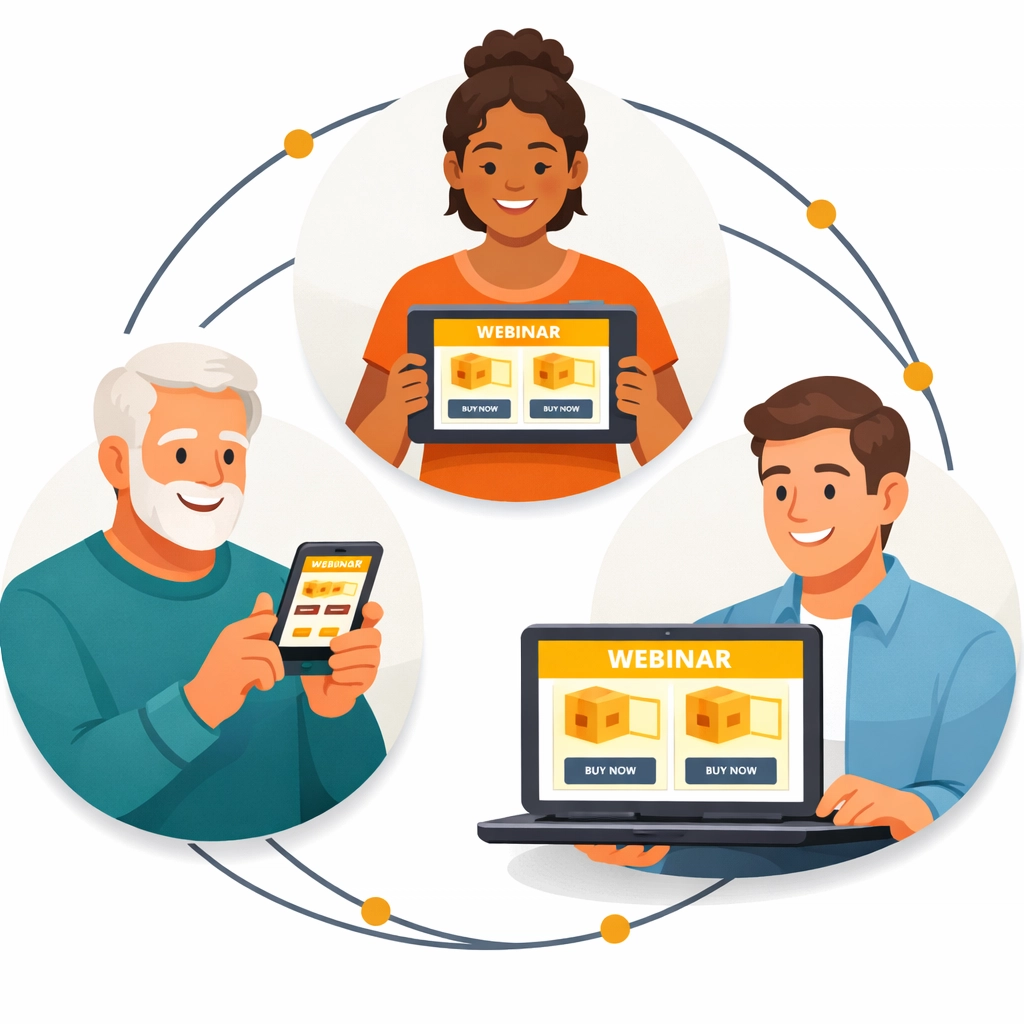
Real-World Applications Beyond Retail
While live stream shopping started in the retail space, the shoppable webinar model works across industries:
Coaching and Consulting: Present your framework, demonstrate results, and allow immediate enrollment in your program: all within the webinar interface.
Software and SaaS: Demo your platform while offering tiered subscription options that attendees can select and purchase without leaving the presentation.
Professional Services: Showcase packages, testimonials, and case studies with integrated booking and payment options.
Network Marketing Teams: Equip your entire organization with a client-facing platform that handles presentations, transactions, and commission tracking automatically. Team members can share their unique link, and the platform manages everything from registration to payout calculations.
Course Creators: Traditional Kajabi alternatives and Thinkific alternatives focus on course hosting, but they lack live selling capabilities. A webinar platform for businesses that includes shoppable features lets you sell courses during live launches while maintaining the same automation post-launch.
The Technical Setup (Easier Than You Think)
One concern about switching from familiar tools like Zoom or Google Meet is the learning curve. Modern interactive webinar platforms have eliminated this barrier:
No software installation: Everything runs in-browser
Plug-and-play integrations: Connect your payment processor in minutes
Templates for common use cases: Start with pre-built webinar formats and customize from there
Built-in training: Most platforms include onboarding resources specifically for sales teams
You're not abandoning the familiar webinar format: you're enhancing it with features designed specifically for conversion.

Measuring Success Beyond Attendance
Traditional online meeting software measures success by attendance rates and duration. Shoppable webinars require different metrics:
Conversion rate: Percentage of attendees who make a purchase
Average order value: What each buyer spends during the webinar
Engagement score: How actively attendees interact with products and features
Attribution data: Which team members or affiliates are driving the most valuable traffic
Post-webinar conversion: Sales from replay views and follow-up sequences
These metrics tell you not just who showed up, but who took action: and what actions led to the highest ROI.
The Future of Webinar Selling
The gap between traditional video conferencing software and true selling platforms will only widen. As AI-powered features become more sophisticated and consumer expectations for seamless digital experiences increase, the tools we use for business presentations must evolve.
The businesses that thrive won't be the ones with the most webinars: they'll be the ones with the most effective webinars. That effectiveness increasingly depends on removing friction from the buying process and creating interactive, engaging experiences that convert attention into revenue.
If you're evaluating Zoom alternatives for selling or engagement, it may be worth exploring interactive webinar platforms designed for conversion.
Comments