

Live Shopping Platform vs. Traditional Webinars: How to Turn Every Presentation Into Sales
- Rick Amico
- Feb 8
- 7 min read
If you've been using Zoom or traditional webinar software for sales presentations, you've probably noticed something frustrating: people watch, they nod along, but when it comes time to buy, the momentum disappears. The truth is, traditional webinar platforms weren't built for selling: they were built for meetings and information delivery. That's where live shopping platforms come in. These interactive presentation tools bridge the gap between engagement and conversion, turning passive viewers into active buyers during the presentation itself.
In this guide, we'll break down the key differences between live shopping platforms and traditional webinars, and show you exactly how to transform your presentations from "just another meeting" into revenue-generating sales events.
Why Traditional Webinars Fall Short for Sales
Most businesses start with familiar tools like Zoom, WebEx, or Google Meet because they're comfortable and everyone already knows how to use them. These platforms excel at what they were designed for: hosting meetings, sharing screens, and facilitating basic communication.
But when your goal is to close sales, traditional webinar software creates friction at every turn:
No Built-In Purchase Path: When a prospect is ready to buy during your presentation, they have to leave the session, find your website, remember what you were selling, and complete the purchase on their own. Each of these steps is an opportunity to lose the sale.
Limited Engagement Tools: Standard webinar platforms offer chat boxes and maybe a Q&A feature. That's not enough to maintain attention spans or create the interactive experience that drives purchasing decisions.
Zero Attribution: If someone does convert after your webinar, you often can't track which specific presentation influenced their decision. This makes it nearly impossible to measure ROI or optimize your approach.
Static Product Display: Sharing your screen to show product images or website pages feels flat and disconnected. There's no way to create the dynamic, tactile experience that shoppers expect in 2026.
The data backs this up. Traditional e-commerce experiences convert at around 2.5%, while live shopping experiences achieve conversion rates between 50% and 60%: a massive difference that directly impacts your bottom line.
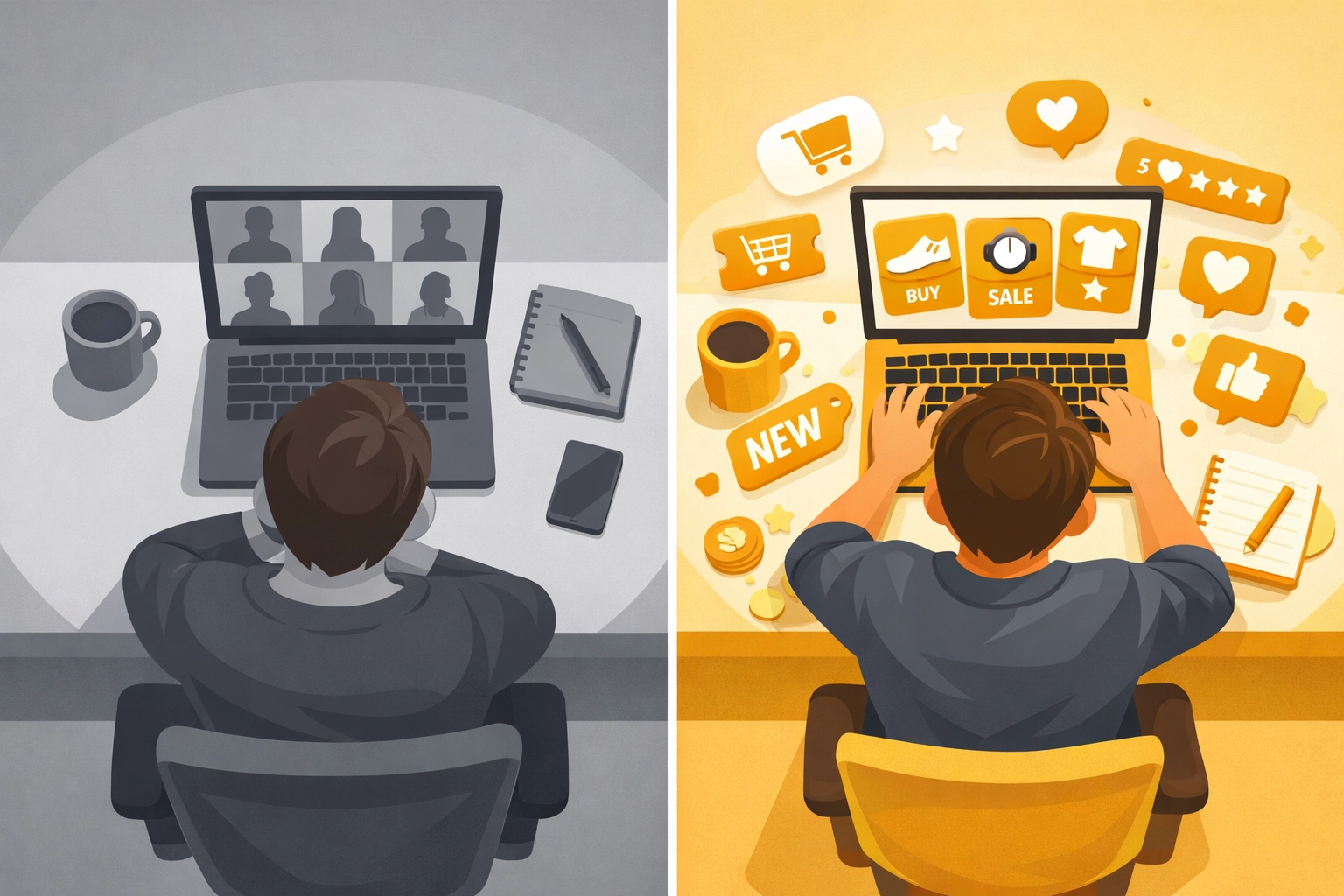
What Makes Live Shopping Platforms Different
A live shopping platform isn't just webinar software with a shopping cart bolted on. It's a fundamentally different approach to interactive presentations, designed from the ground up to facilitate sales during live sessions.
Real-Time Interactivity That Drives Action
Modern live shopping platforms create an experience that feels more like a personal shopping consultation than a presentation. Features like interactive touchscreen capabilities allow presenters to demonstrate products dynamically, clicking through options, showing different angles, and responding to viewer questions without ever breaking the flow.
This real-time engagement keeps viewers watching for 15 to 30 minutes on average: compared to just 54 seconds on traditional e-commerce sites. That extended engagement time translates directly into more opportunities to answer objections, build trust, and close sales.
Seamless Purchasing Without Leaving the Session
The most critical difference? Viewers can complete purchases without ever leaving your presentation. When someone is ready to buy, they click a product directly within the live stream, add it to their cart, and check out: all while continuing to watch and engage.
This eliminates the biggest conversion killer in traditional webinars: the transition from "interested" to "purchasing" that requires multiple steps and opens the door for second-guessing.
Smart Tracking and Attribution
Unlike standard webinar software, live shopping platforms include built-in tracking that shows exactly which presentations drive sales. Smart invite links can track referrals, making it easy to measure team performance or run affiliate-style programs where consultants earn commission on sales generated through their presentations.
This level of attribution is essential for sales leaders managing teams or consultants who need to prove ROI on their presentation efforts.
Zoom vs. Interactive Webinar Platforms: A Direct Comparison
Let's look at how traditional platforms stack up against purpose-built interactive webinar software for sales:
Feature | Zoom/Traditional Webinars | Interactive Live Shopping Platform |
Purchase During Session | No - requires leaving | Yes - one-click buying |
Product Interaction | Screen sharing only | Interactive touchscreen demos |
Conversion Tracking | Limited or none | Built-in attribution |
Mobile Experience | Basic video feed | Optimized shopping experience |
Setup Required | Download required | No downloads needed |
Commission Tracking | Not available | Automated team tracking |
Average Session Length | 10-15 minutes | 15-30 minutes |
Conversion Rate | 2-3% (if they visit site later) | 50-60% during session |
The difference in conversion rates alone justifies exploring Zoom alternatives specifically designed for selling.
How to Turn Your Presentations Into Sales Events
Making the shift from traditional webinars to live shopping experiences requires more than just switching platforms. Here's how to structure your presentations for maximum conversion:
Start With the End in Mind
Before you go live, know exactly what you're selling and make those products clickable within your presentation environment. Your interactive webinar platform should allow you to showcase products that viewers can explore and purchase without disrupting the flow of your presentation.
Demonstrate, Don't Just Tell
Use your platform's interactive features to show products in action. If you're selling software, navigate through it live. If it's physical products, show different angles, uses, and options in real time. Research shows that products demonstrated in real-world contexts convert significantly better than polished static images.
Create Urgency (But Keep It Genuine)
Limited-time offers work in live shopping because the urgency is real: the session will end. Mention special pricing or bonuses available only to live attendees. This encourages immediate action rather than "I'll think about it and buy later" (which rarely happens).
Engage Throughout the Session
Use polls, direct questions, and respond to chat messages to keep viewers active rather than passive. The more someone interacts during your presentation, the more invested they become in the outcome: including making a purchase.
Make Purchasing Frictionless
The moment someone decides to buy should be the easiest part of your entire presentation. One click, straightforward checkout, and they're back to watching. Any complexity here kills conversions.
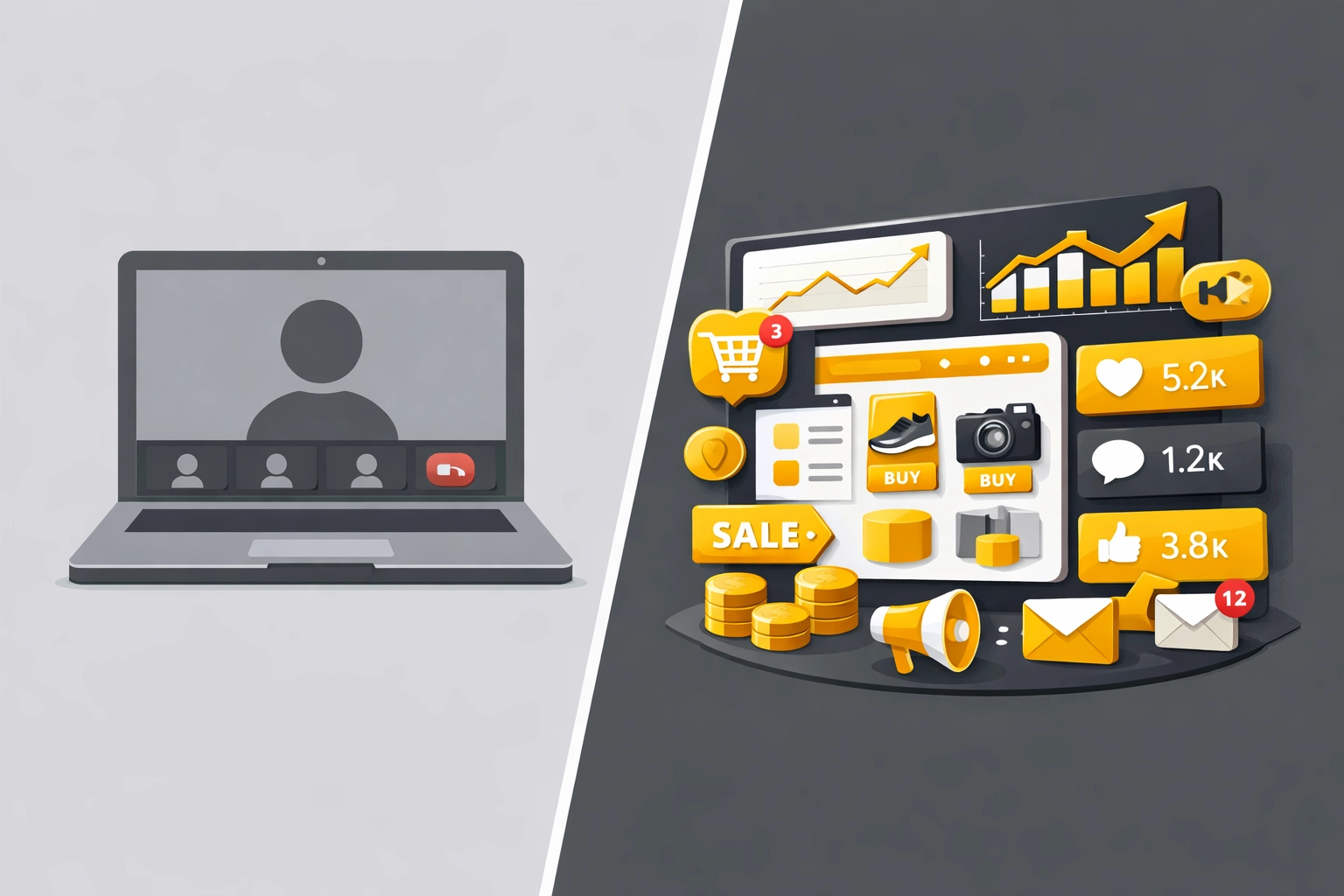
Live Shopping Features That Convert
When evaluating webinar software for sales purposes, look for these essential capabilities:
No-Download Access: If prospects need to download software or create accounts before joining, you'll lose people before you even start. The best platforms work instantly in any browser.
Mobile Optimization: A significant portion of your audience will join from phones. Your presentation and purchasing experience must work flawlessly on mobile devices.
E-Commerce Integration: Seamless connections to payment processors and inventory systems ensure purchases happen smoothly without technical glitches that break trust at the critical moment.
AI-Powered Features: Modern platforms use AI to provide real-time insights during presentations, suggest optimal times for call-to-actions, and even help prepare content based on what converts best.
Team Collaboration Tools: For businesses with multiple presenters or network marketing teams, the ability to track individual performance and commissions within the platform itself streamlines operations and maintains accountability.
Why Network Marketing Teams Are Switching to Interactive Platforms
Sales teams, particularly those using presentation-based selling models, are increasingly abandoning traditional webinar platforms in favor of interactive alternatives. The reasons are clear:
Scalable Training and Duplication: When you're building a team of consultants, giving them a platform that handles tracking, attribution, and commission calculation automatically eliminates administrative headaches.
Professional Client-Facing Tool: Offering an interactive webinar platform as part of your service package differentiates you from competitors still using basic screen-sharing software.
Real Results Tracking: Team leaders can see which presentations convert, which presenters excel, and where additional training might help: all through built-in analytics.
This shift isn't about replacing human connection with technology. It's about using better tools to facilitate the connection that leads to sales. When consultants can focus on presenting instead of worrying about tracking links or manual commission calculations, everyone wins.
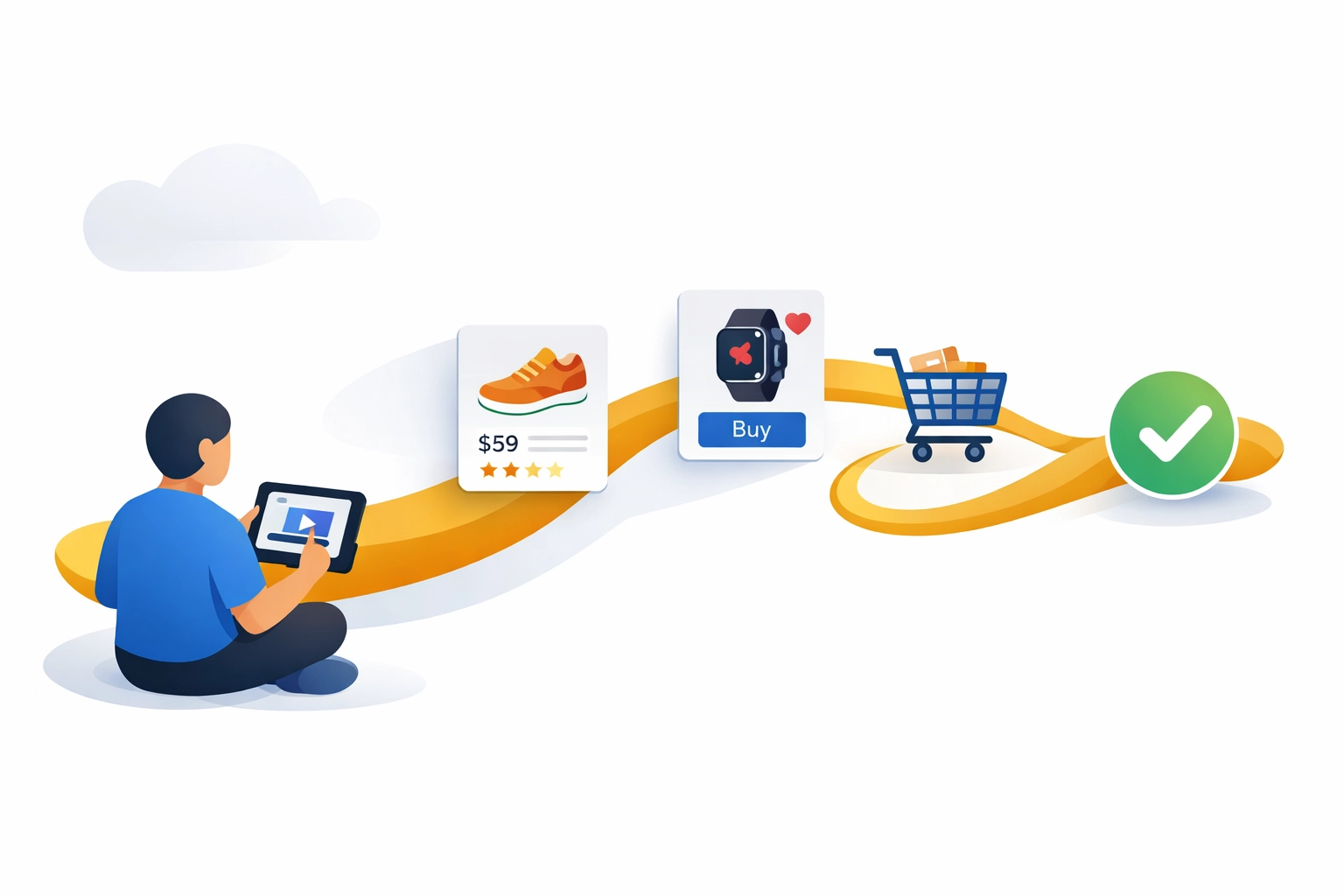
The Lower Return Rate Advantage
Here's a benefit that doesn't get discussed enough: live shopping presentations result in dramatically lower return rates compared to traditional e-commerce. While standard online purchases see return rates of 20-30%, comprehensive product demonstrations during live sessions reduce returns to 10-15%.
Why? Because customers make better-informed decisions when they can ask questions, see products from multiple angles, and understand exactly what they're getting before clicking "buy." This isn't just good for your conversion rate: it protects your profit margins and reduces the operational headache of processing returns.
Making the Transition From Traditional Webinars
If you're currently using Zoom or another standard webinar platform, transitioning to a live shopping platform doesn't mean abandoning everything you've learned. Your presentation skills, content, and audience relationships remain valuable. You're simply giving yourself better tools to convert that expertise into revenue.
Start by testing an interactive webinar software with your most proven presentation. Use the same content you've refined through traditional webinars, but take advantage of clickable products, real-time engagement features, and seamless checkout. Measure the difference in conversion rates, average order value, and attendee engagement time.
Most businesses that make this comparison never go back to presentation-only platforms.
Screen Sharing Software vs. Sales Software
The core issue comes down to this: screen sharing software was designed to show information. Sales software was designed to facilitate transactions. They're fundamentally different tools for fundamentally different goals.
If your presentation's purpose is education, training, or information sharing, traditional webinar platforms work fine. But if your goal is revenue: whether you're selling products, services, courses, or consultations: you need a platform built for that specific outcome.
The market has matured beyond forcing sales processes into meeting software. Purpose-built solutions exist, and they deliver measurably better results.
The Future of Selling Through Presentations
The gap between live shopping platforms and traditional webinars will only widen as consumer expectations evolve. Today's buyers expect interactive experiences, instant gratification, and mobile-optimized shopping. They won't tolerate clunky processes that require multiple steps across different platforms.
Businesses that adapt to this reality now gain a competitive advantage. Those that continue using meeting software for sales purposes will find themselves at an increasing disadvantage against competitors offering seamless, engaging, conversion-optimized experiences.
The choice isn't really between traditional webinars and live shopping platforms. It's between continuing with tools that weren't designed for selling, or adopting purpose-built webinar software that turns presentations into revenue.
If you're evaluating Zoom alternatives for selling or engagement, it may be worth exploring interactive webinar platforms designed for conversion.
Comments