

Live Shopping Platform vs. Traditional Webinars: Which Converts Better for Your Business?
- Rick Amico
- Feb 14
- 5 min read
If you've been running sales presentations on Zoom or other traditional webinar platforms, you've probably noticed something: people watch, nod along, and... leave without buying. The conversion rates can be frustrating, especially when you're selling physical products or demonstrating something visual. That's where the conversation about live shopping platforms versus traditional webinars gets interesting, and why understanding the difference could completely change your sales results.
Let's cut through the confusion and figure out which format actually converts better for your specific business model.
What's the Real Difference Between Live Shopping and Webinars?
Before we dive into conversion rates, let's get clear on what we're comparing.
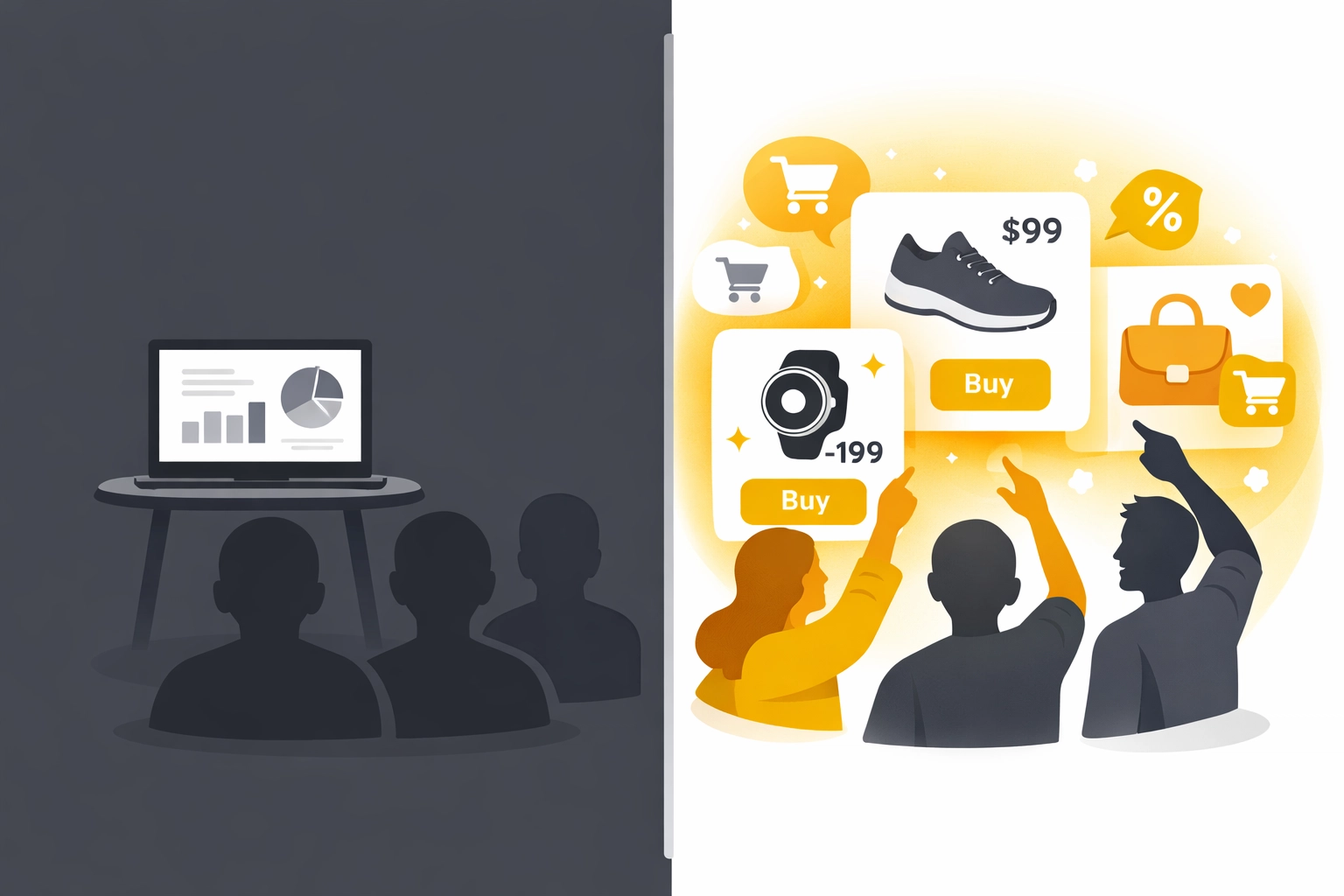
Traditional webinars are presentation-focused. Think PowerPoint slides, screen sharing, and a talking head in the corner. They're designed for education, training, or lead generation. Zoom, WebEx, and Google Meet all fall into this category, they're built for meetings and information delivery, not necessarily selling.
Live shopping platforms are interaction-focused. They're built around product demonstrations with real-time engagement features like on-screen product showcases, instant purchasing, live chat, and urgency-driven elements like countdown timers. These platforms blend entertainment with commerce, think QVC meets Instagram Live.
The key difference? Intent and infrastructure. Traditional webinars were designed for communication. Live shopping platforms were designed for conversion.
The Conversion Rate Reality Check
Here's where things get interesting, and where data starts telling a very different story depending on what you're selling.
Live Shopping Platform Performance
Live shopping platforms report conversion rates between 9-30% across most product categories. In high-performing sectors like fashion and beauty, some events hit conversion rates as high as 70% during peak moments. Even standard broadcast-style live shopping typically converts at 5-15%, which massively outperforms traditional e-commerce's baseline of 2-3%.
Why such high numbers? Live shopping creates urgency. Limited-time offers, visible inventory counts, real-time Q&A, and the social proof of seeing others purchase, all of these elements drive immediate action. When Tommy Hilfiger sold 1,300 hoodies in two minutes during a livestream, it wasn't magic. It was psychology meeting the right technology.
Traditional Webinar Performance
Traditional webinars tell a more nuanced story. Their conversion rates swing wildly based on audience type:
Warm audiences (people already familiar with your brand): 20-30%+ conversion rates
Cold traffic (new prospects): 10-15% for well-executed presentations
Automated webinars: 2-5% conversion rates
B2B lead generation webinars: 73% attendance-to-lead conversion (though this measures qualified leads, not direct sales)
Notice the pattern? Webinars perform best when they're educating people through a decision process, not when they're trying to get instant purchases from strangers.
So Which One Should You Actually Use?
The answer isn't one-size-fits-all. It depends entirely on what you're selling and who you're selling to.
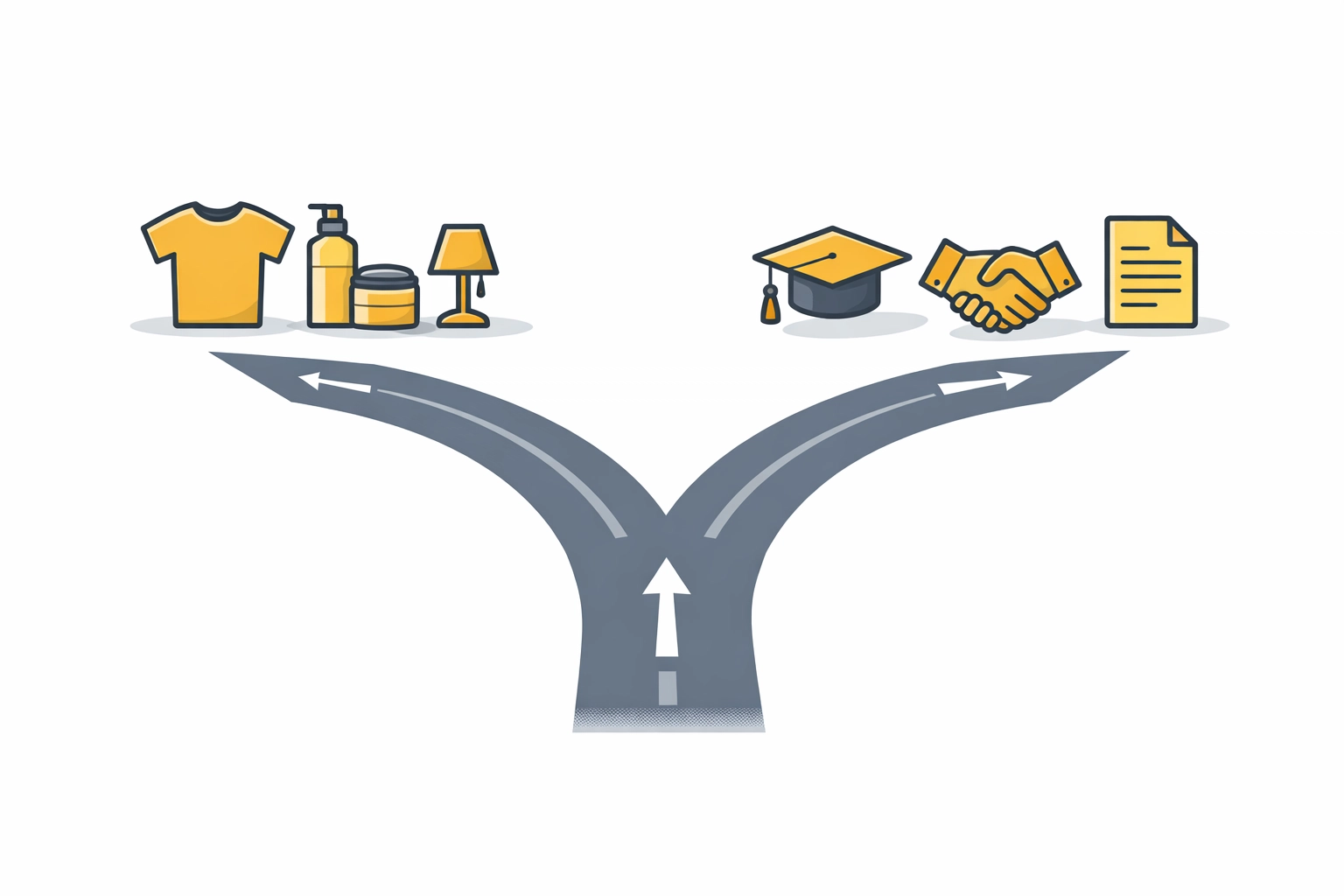
Choose Live Shopping Platforms If You're Selling:
Physical products (especially apparel, beauty, home goods)
Visually-driven items that benefit from demonstrations
Lower to mid-ticket products ($20-$300)
Impulse-friendly purchases
Products where urgency and scarcity drive action
The live shopping format excels when you need conversion velocity. Show the product, create the moment, close the deal, all within minutes.
Choose Traditional Webinars If You're Selling:
High-ticket services or coaching programs
Complex B2B solutions that require explanation
Educational courses or membership programs
Anything that requires trust-building before purchase
Products with longer sales cycles
Webinars work when your buyers need to be walked through logic, see proof, and understand value before they commit.

The Third Option: Interactive Webinar Platforms Built for Selling
Here's where the conversation gets even more interesting. What if you could combine the best of both worlds?
Traditional webinar platforms like Zoom weren't built with conversion in mind. You can share your screen, talk, and maybe show some slides, but the experience is passive. There's no touch interaction, no seamless product integration, and tracking who actually invited whom to the session? Forget about it.
This is exactly why newer interactive presentation platforms are gaining ground. These aren't pure "live shopping" tools, and they're not old-school webinars either. They're built specifically for businesses that need to sell through presentations, whether that's physical products, services, or courses.
MyPxch, for example, bridges this gap by offering an interactive touchscreen experience with live shopping integration, all without requiring downloads or complicated setups. You get the engagement of a live shopping experience with the structure and professionalism of a webinar. Plus, features like smart invite links for tracking mean you can see exactly which team members or affiliates are driving the most engagement, critical for businesses using team-based selling models.
What Makes Interactive Webinar Platforms Convert Better
The magic isn't just in calling something "interactive." It's in the specific features that reduce friction and increase engagement:
No Download Barriers: Every step between interest and attendance kills conversion. Platforms that run in-browser without downloads see significantly higher show-up rates.
True Interactivity: Touchscreen experiences where attendees can tap, explore, and interact with what you're presenting keep attention high. Passive watching leads to passive results.
Seamless E-commerce Integration: If someone has to leave your presentation to buy, you've already lost them. Direct purchasing within the experience eliminates that friction entirely.
Smart Tracking: Knowing who invited whom isn't just nice, it's essential if you're running any kind of affiliate model, network marketing structure, or sales team. Traditional platforms like Zoom simply don't track this.
AI-Powered Features: From automated follow-ups to intelligent engagement prompts, AI helps you convert more of your audience without adding manual work.
The Real Comparison: Engagement vs. Conversion
Here's a truth bomb: engagement doesn't always equal conversion, but conversion almost always requires engagement.
Live shopping platforms maximize engagement through urgency, social proof, and immediate gratification. Traditional webinars maximize understanding through education and relationship-building. The problem is that most businesses need both.
You need people to understand your value (webinar strength) and you need them to take action immediately (live shopping strength). That's why the future isn't choosing between the two, it's using platforms that blend both approaches.
Making Your Decision: A Framework
Ask yourself these four questions:
1. What's my product's price point and complexity?
Under $200 and straightforward = lean toward live shopping
Over $500 or requires explanation = lean toward webinar-style
2. How warm is my audience?
Cold traffic = needs more education (webinar approach)
Warm audience = can handle direct selling (live shopping approach)
3. What's my sales cycle length?
Impulse purchase = live shopping format works
Considered purchase = webinar nurturing needed
4. Do I have a team or affiliate structure?
If yes, you absolutely need tracking and smart links: most traditional platforms don't offer this
The Bottom Line on Conversion
Pure live shopping platforms convert at higher rates for direct product sales: that's undeniable. But they're limited in scope. They work brilliantly for fashion, beauty, and physical goods with visual appeal.
Traditional webinars convert at variable rates depending on audience warmth, but they excel at moving people through complex decision processes. They're the right tool for high-ticket, relationship-driven sales.
The smartest play? Use an interactive webinar platform built for selling. You get the structure and professionalism of a webinar with the engagement mechanics of live shopping. You can demonstrate products, educate your audience, and close deals: all in one seamless experience. And if you're building a team or working with affiliates, having proper tracking built in isn't optional anymore.
If you're evaluating Zoom alternatives for selling or engagement, it may be worth exploring interactive webinar platforms designed for conversion.
Comments