

Live Stream Shopping in 2026: How Businesses Are Turning Views into Sales
- Rick Amico
- Feb 22
- 6 min read
Live stream shopping has officially moved from trend to mainstream revenue driver. In 2026, businesses across every industry are discovering that the fastest path from viewer to customer isn't through static product pages or traditional webinars: it's through interactive, real-time shopping experiences that blend entertainment, education, and instant purchasing.
If you're still relying solely on email sequences and landing pages to drive sales, you're leaving money on the table. Live stream shopping is converting at rates between 9-30%, compared to just 2-3% for standard e-commerce platforms. That's not a marginal improvement: it's a complete transformation of how online selling works.
Why Live Stream Shopping Works (And Static Content Doesn't)
The magic of live shopping isn't just that it's "live." It's that it solves the three biggest problems that kill online conversions: lack of trust, decision paralysis, and friction in the buying process.
Trust Through Real-Time Interaction
When potential customers can ask questions and get immediate answers, something powerful happens. The research shows that 24% of viewers say engagement directly influences their purchase decision: whether through direct chat with the host or reacting alongside other shoppers. This isn't passive consumption; it's active participation.
Traditional product videos or pre-recorded webinars can't replicate this. They leave questions unanswered, doubts unresolved, and customers clicking away to "do more research" (which usually means buying from a competitor or not buying at all).

Demonstrations That Actually Drive Decisions
Here's a stat that should make every business owner pay attention: 36% of viewers cite seeing items used live as a key decision factor in their purchase. Not a product description. Not a testimonial. Seeing the product in action, in real time, with someone who can show exactly how it works.
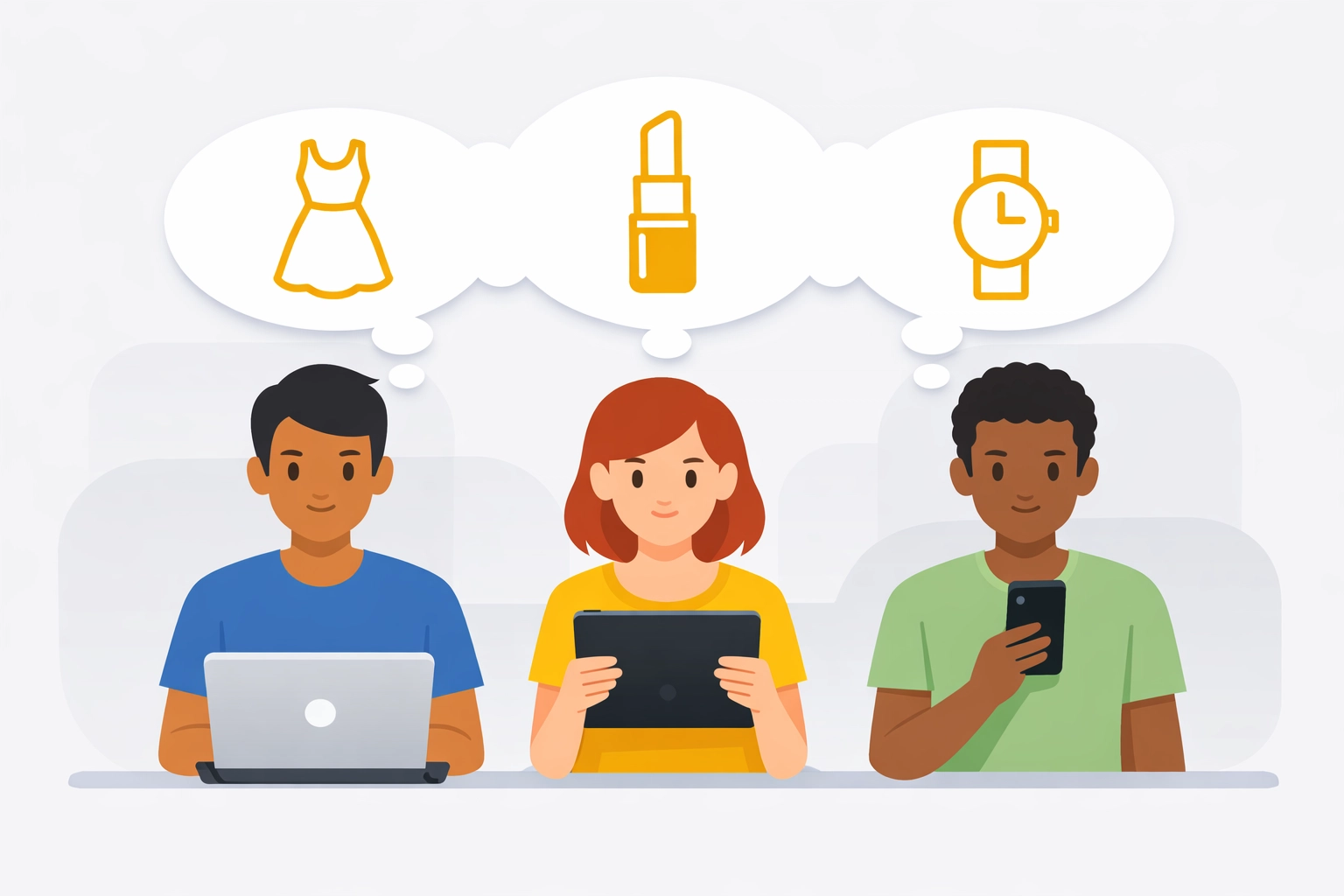
For fashion brands, this means fit checks and style demonstrations. For beauty products, it's live tutorials and side-by-side comparisons. For tech products, it's troubleshooting common issues on the spot. Whatever you're selling, showing beats telling every single time.
These live demonstrations keep viewers engaged 2.5 times longer than non-shoppable content. More time watching means more trust building, more value delivery, and ultimately, more sales.
Frictionless Buying: The Ultimate Conversion Hack
Here's where live shopping really separates itself from traditional e-commerce: 40% of viewers choose live shopping specifically because they can watch, ask questions, and purchase in one place without switching tabs or apps.
In-stream checkout removes every possible point of friction. No adding to cart, then going to another page, then filling out forms, then remembering your password, then getting distracted by a notification. The buying decision happens in the moment, while excitement and trust are at their peak.
The Numbers Behind the Live Shopping Boom
Let's talk about scale. US live stream e-commerce sales grew nearly 50% in 2025, hitting $14.64 billion. Buyer participation increased 21.5% year-over-year. These aren't niche numbers: this is mainstream adoption.
Even more impressive: live commerce is projected to capture 20% of online retail share by the end of 2026, up from just 7% in 2023. Globally, live stream sales are on track to exceed $1 trillion by 2026.

If you're thinking "that's great, but my business is different," consider this: fashion and apparel account for 28% of the global live stream e-commerce market, followed closely by beauty, automotive, and electronics. Direct-to-consumer brands across all these categories are doubling their live shopping investment this year.
The question isn't whether live shopping works for your industry. It's whether you can afford to wait while your competitors capture market share.
Who's Actually Buying Through Live Streams?
The demographic data might surprise you. While Gen Z leads in viewership at 83%, Millennials account for 58% of actual purchases. This makes sense: Millennials have more purchasing power and are comfortable making buying decisions during live content.
But here's the opportunity: only 12% of US consumers currently shop through live streams monthly. However, 55% say they would engage more if streams were more regularly available. That gap represents massive growth potential for businesses that commit to consistent live shopping events.
Building a Live Shopping Strategy That Converts
Creating a successful live shopping program isn't about going live randomly and hoping for sales. It requires the right platform, the right approach, and the right features to maximize conversion.
The Platform Problem
Most businesses trying to enter live shopping face an immediate challenge: existing platforms weren't built for selling. Traditional video conferencing tools lack e-commerce integration. Social media platforms control your audience and analytics. Basic streaming software requires technical expertise and multiple tools duct-taped together.
What businesses need is a platform that combines interactive presentation capabilities with seamless purchasing: no downloads, no complicated setup, just a link that works across devices and creates instant buying opportunities.

Essential Features for Live Shopping Success
Based on what's working in 2026, here are the non-negotiables for a live shopping platform:
Interactive Touch Screen Experience: Viewers need to feel like participants, not spectators. The ability to highlight products, draw attention to features, and interact with visual elements keeps engagement high and attention focused.
Seamless E-Commerce Integration: Products should be clickable within the stream itself. If viewers have to leave to purchase, you've already lost a significant percentage of conversions.
Smart Tracking: Understanding which viewers came from which source, how long they watched, and what they purchased lets you optimize every aspect of your live shopping funnel. Smart invite links that track engagement and conversions are essential for scaling profitably.
No Download Requirements: Friction kills conversions. Any platform requiring downloads, accounts, or complicated setup will hemorrhage potential customers before you even start presenting.
AI-Powered Personalization: The best live shopping experiences surface personalized recommendations based on viewer behavior and comments in real time. This level of intelligence turns a generic broadcast into a tailored shopping experience.
Making Live Shopping Work for Your Business Model
The beauty of live shopping is its versatility. Whether you're a solo entrepreneur, a growing brand, or a team-based sales organization, the principles remain the same.
For Product-Based Businesses: Schedule regular product launches, seasonal showcases, or "behind-the-scenes" manufacturing streams that build brand story while demonstrating products.
For Service Businesses: Use live shopping formats to sell packages, memberships, or high-ticket services by demonstrating results, walking through case studies, and answering objections in real time.
For Team-Based Organizations: Live shopping platforms become powerful tools for consultants and sales leaders who need to present consistently across their team. Instead of everyone building their own presentation from scratch, one effective live shopping event can be deployed across multiple sellers with individual tracking.
This last point is particularly important: the right platform becomes a tool businesses can offer, letting team members leverage professional presentations while maintaining individual attribution and commission tracking. It's not about creating dependencies: it's about providing leverage.

The Replay Advantage
One of the smartest strategies emerging in 2026 is the use of shoppable replays. After a live event ends, the content continues generating sales through automated replays with full purchase capabilities intact.
This transforms a one-time event into an evergreen sales asset. New viewers discover the content, watch at their own pace, and purchase through the same integrated checkout experience. Some businesses report that replay sales match or exceed their live event revenue.
Overcoming the Common Objections
"I'm not comfortable on camera": Live shopping is about demonstrating value, not being a performer. The research shows people buy because they see products in use and get questions answered: not because the host is exceptionally charismatic.
"I don't have time for regular broadcasts": Start with monthly events and scale as you see results. One 30-60 minute session per month can generate significant revenue, especially when leveraging replays.
"My audience isn't on TikTok or Instagram": You don't need to be on social platforms to do live shopping. Standalone platforms let you own your audience, control your data, and create professional experiences without platform limitations or algorithm changes.
"The technology seems complicated": Modern live shopping platforms eliminate technical barriers. With no download requirements and browser-based operation, the technology becomes invisible, letting you focus on selling.
The Competitive Advantage of Early Adoption
Here's what makes 2026 the ideal time to implement live shopping: awareness is high, but consistent execution is still rare. The 55% of consumers who want more regular access to live shopping events represent an underserved market looking for exactly what you can provide.
Early adopters in each niche are establishing themselves as the go-to destinations for interactive shopping experiences. They're building audiences, refining their presentation approaches, and capturing market share while competitors remain stuck in static content models.
Getting Started with Live Shopping
The path forward is straightforward: choose a platform built for conversion, schedule your first event, and commit to consistency. Start with products or services you're most confident presenting, invite your existing audience, and learn from each session.
Pay attention to which products generate the most questions, which demonstrations keep attention longest, and which calls-to-action drive immediate purchases. Live shopping provides instant feedback that static content never delivers.
For businesses serious about staying competitive in 2026 and beyond, live shopping isn't an experiment: it's an essential sales channel. The conversion rates speak for themselves. The market growth is undeniable. The question is simply whether you'll lead in your market or follow.
Explore interactive platforms designed for conversion and see how modern live shopping technology removes technical barriers while maximizing sales opportunities.
If you're evaluating platforms for interactive selling or engagement, it may be worth exploring solutions specifically designed for conversion rather than just communication.
Comments