

The Future of Live Selling: Beyond Traditional E-commerce
- Maudud Ahmad

- Jan 5
- 2 min read
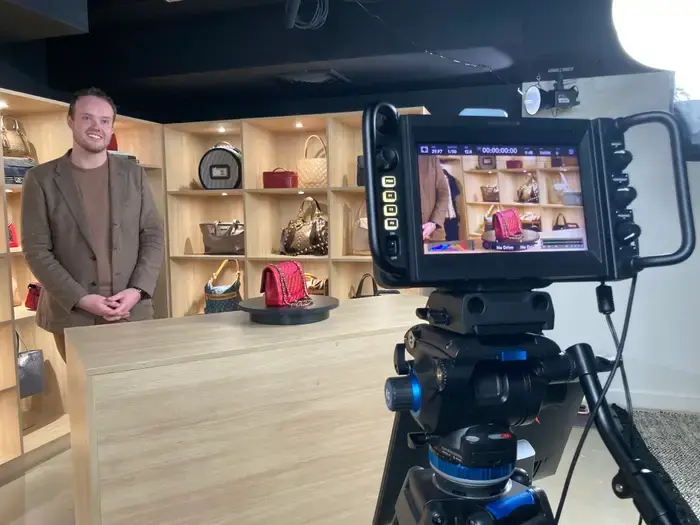
Traditional e-commerce is no longer enough. Static product pages, generic descriptions, and delayed customer support are struggling to meet modern consumer expectations. Enter live selling—a fast-growing blend of entertainment, real-time interaction, and instant purchasing that is redefining how people shop online.
Live selling isn’t just a trend; it’s the future of e-commerce.
What Is Live Selling?
Live selling combines live video streaming with real-time product purchasing. Brands, creators, or sales hosts showcase products live while viewers:
Ask questions instantly
See real demonstrations
Get exclusive, time-limited offers
Purchase without leaving the stream
This transforms shopping from a transaction into an experience.
Why Traditional E-commerce Is Falling Short
While traditional e-commerce works well for convenience, it lacks:
Human connection
Real-time trust-building
Immediate objection handling
Customers often hesitate due to unanswered questions, lack of product clarity, or uncertainty about quality. Live selling directly solves these pain points.
Live Selling Creates Human-Centered Commerce
At its core, live selling brings people back into online shopping.
Real-Time Interaction
Customers can ask questions and get instant responses, just like in a physical store. This dramatically reduces doubt and increases confidence.
Authentic Product Demonstrations
Live demos show products in real-life use—no filters, no over-editing. Authenticity builds trust, and trust drives conversions.
Entertainment + Shopping = Higher Engagement
Live selling borrows heavily from entertainment:
Hosts tell stories
Influencers add personality
Audiences react, comment, and participate
This “shoppertainment” model keeps viewers engaged longer, increasing both average watch time and purchase intent.
Social Commerce Is Driving the Shift
Platforms like TikTok, Instagram, Facebook, and YouTube are pushing commerce directly into social feeds. Live selling thrives here because:
Audiences already trust creators
Social proof happens instantly
Buying feels natural, not forced
The line between content and commerce is disappearing.
Data-Driven, Personalized Selling
Live selling platforms collect powerful real-time data:
Viewer engagement
Product clicks
Comment sentiment
Brands can use this data to:
Personalize future offers
Retarget high-intent viewers
Optimize product messaging
This makes live selling smarter than traditional e-commerce funnels.
Mobile-First and Impulse-Friendly
Most live shopping happens on mobile devices. With:
One-click purchases
In-stream checkout
Limited-time deals
Live selling encourages impulse buying—something traditional e-commerce struggles to achieve.
What the Future Looks Like
The next phase of live selling will include:
AI-powered product recommendations
AR/VR try-ons during live streams
Multi-host and co-shopping experiences
Deeper influencer-brand collaborations
Brands that adapt early will gain a massive competitive edge.
Comments