

The Ultimate Guide to Live Shopping Platforms: Everything You Need to Turn Viewers Into Buyers
- Rick Amico
- Feb 9
- 6 min read
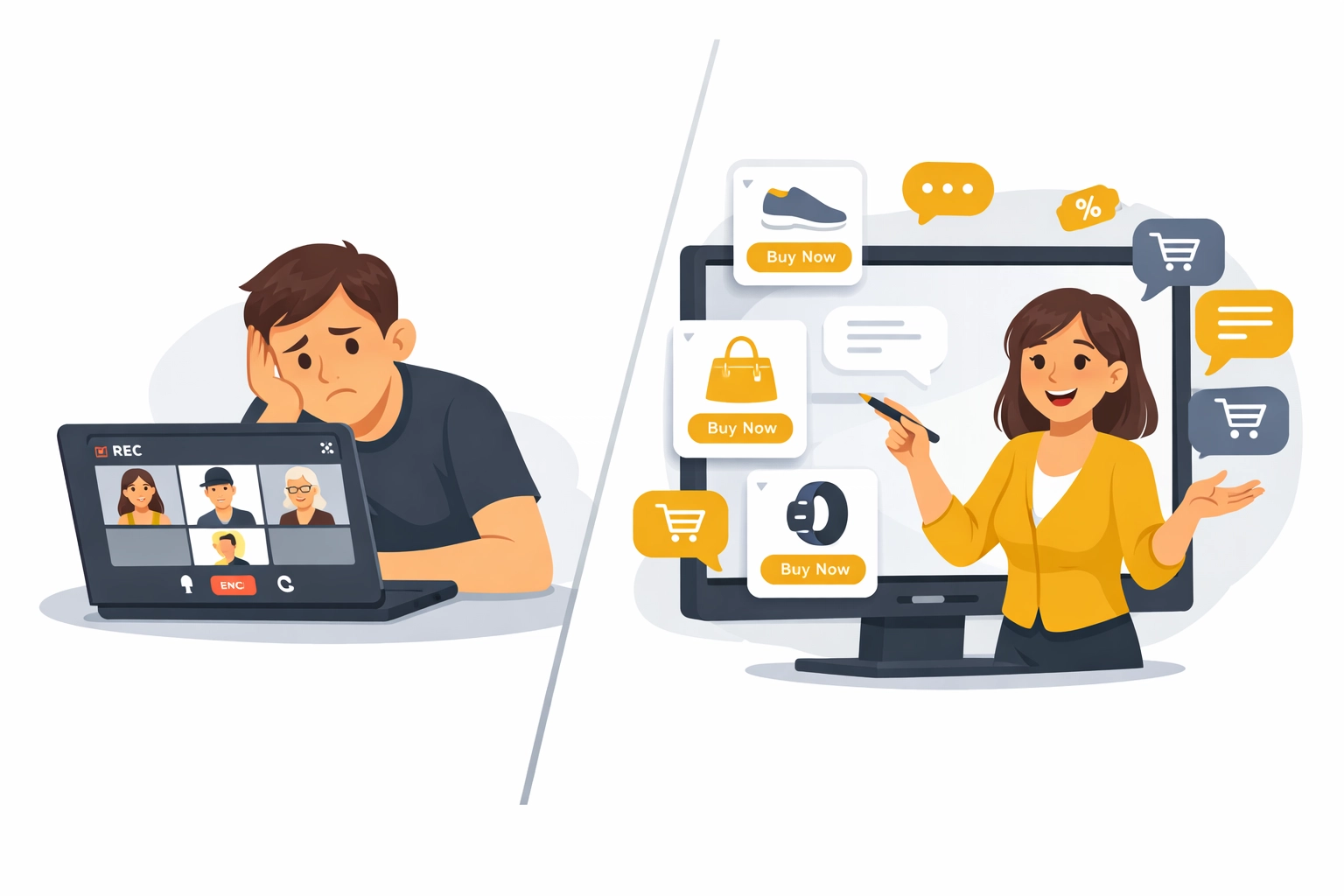
If you've been running product demos or sales presentations on Zoom, you've likely hit the same wall: great for screen sharing, terrible for closing sales. While Zoom handles basic video conferencing, it lacks the interactive commerce tools needed to turn viewers into buyers during live presentations. That's where live shopping platforms come in, combining real-time video presentations with instant checkout, interactive engagement, and conversion-focused features that traditional web conferencing tools simply can't match.
Live shopping platforms represent the evolution of webinar software, purpose-built for businesses that sell through presentations. Unlike standard meeting tools, these platforms integrate product catalogs, one-click purchasing, real-time Q&A, and audience engagement features into a unified selling experience.
What Makes Live Shopping Platforms Different from Traditional Webinar Software
Traditional webinar platforms like Zoom, WebEx, and Google Meet were designed for meetings and information delivery, not commerce. They lack native shopping carts, product showcases, inventory management, and conversion tracking. You can present on these platforms, but the buying journey happens elsewhere, creating friction that kills conversions.
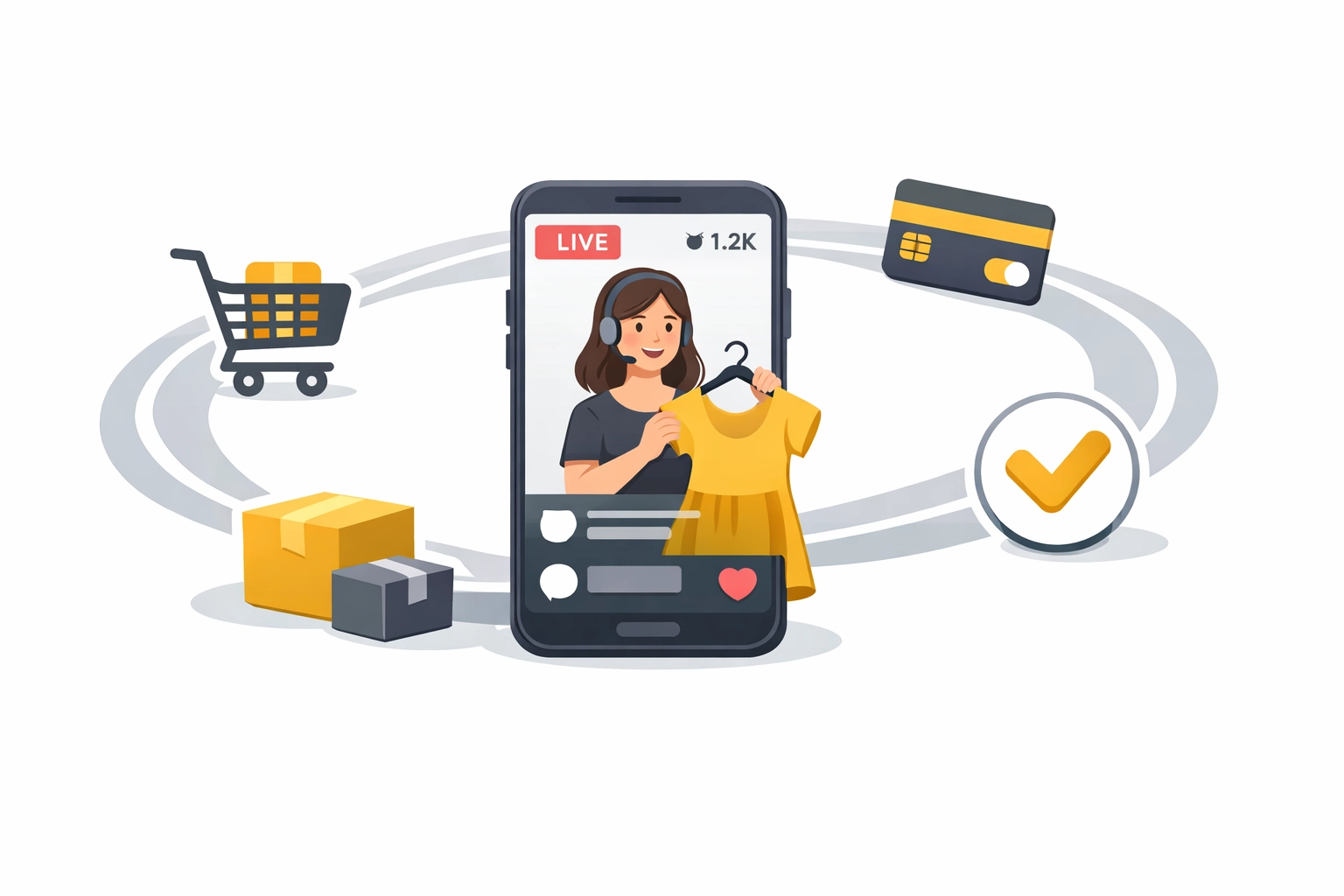
Live shopping platforms eliminate that gap. Viewers watch your presentation, ask questions in real-time, and complete purchases without leaving the stream. The experience mirrors in-person selling but scales infinitely.
Core Features That Drive Conversions
The best live stream shopping platforms share several critical capabilities:
Seamless Checkout Integration , One-click purchasing during presentations reduces cart abandonment. When viewers can buy the moment they're interested, conversion rates jump dramatically compared to directing people to external checkout pages.
Interactive Engagement Tools , Live chat, Q&A panels, polls, and reaction features create authenticity and trust. These tools transform passive viewers into active participants, increasing both time-on-screen and purchase likelihood.
Replay Monetization , Not everyone attends live. Platforms that enable purchases during recorded replays extend your sales window beyond the live event, maximizing ROI per presentation.
Real-Time Inventory Sync , Displaying accurate stock levels builds confidence and creates urgency. When viewers see limited quantities, purchase decisions accelerate.
Smart Tracking and Attribution , Understanding which presentations drive sales, which affiliates convert, and which products perform best requires robust analytics. The best platforms provide this visibility without complex integration.
Zoom vs. Live Shopping Platforms: Understanding the Gap
Let's be direct: Zoom is excellent for internal meetings, training calls, and information webinars. But if your goal is converting viewers into buyers, the platform falls short in critical areas.
Feature | Zoom | Live Shopping Platform |
Native Product Catalog | No | Yes |
One-Click Checkout | No | Yes |
Inventory Management | No | Yes |
Interactive Touch Screen Experience | Limited | Yes |
Affiliate Tracking | No | Yes |
Replay Commerce | No | Yes |
Download Required | Desktop app recommended | Browser-based |
Purchase Friction | High (external links) | Zero (in-platform) |
Zoom wasn't designed for commerce, and forcing it into that role creates workarounds that hurt conversion. Live shopping platforms solve this by building selling features into the core experience.
Types of Live Shopping Platforms and Use Cases
Not all live shopping platforms serve the same audience or business model. Understanding the categories helps you choose the right fit.
Community-Driven Platforms
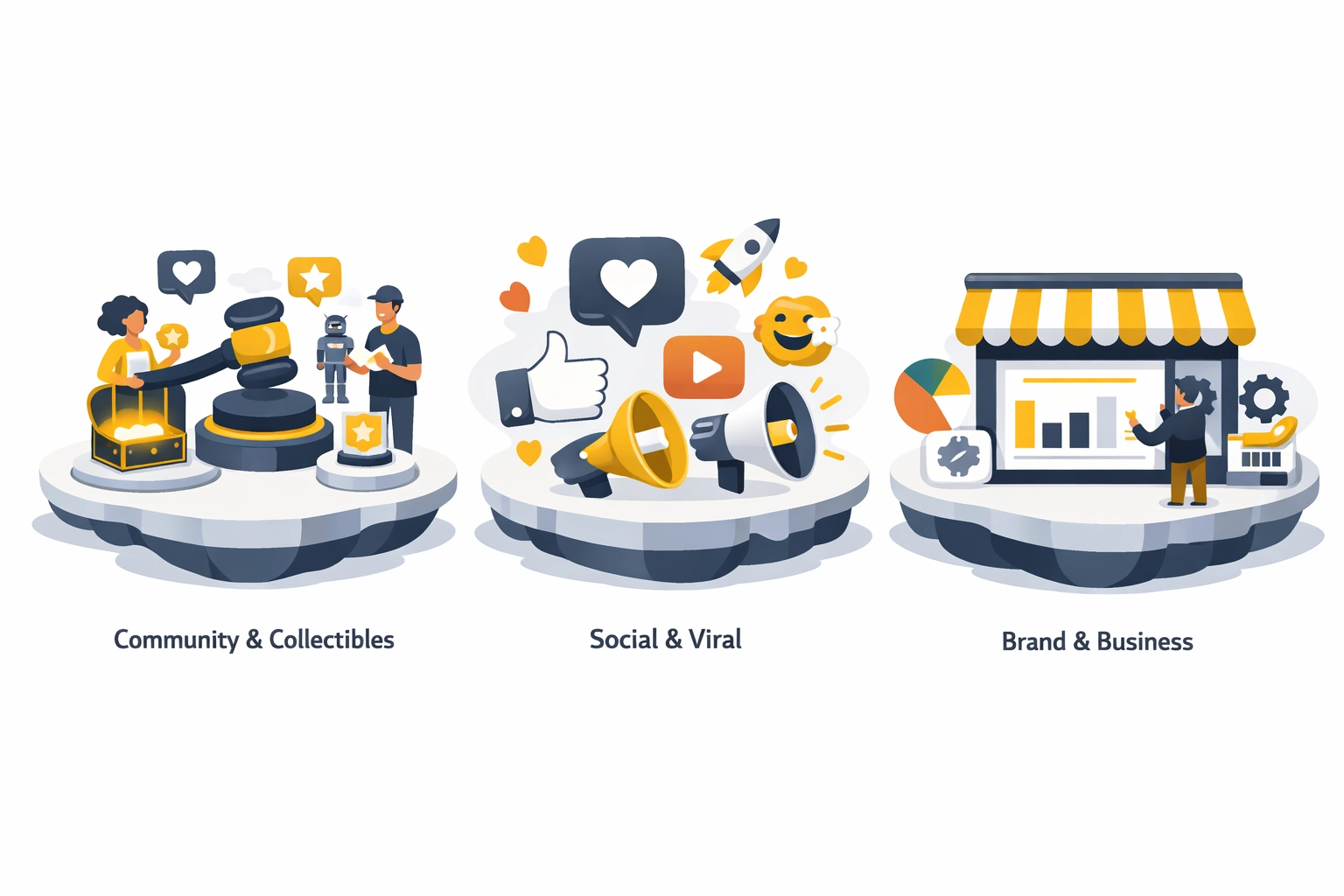
Platforms like WhatNot prioritize real-time interaction, auctions, and personality-driven selling. These work best for collectibles, unique items, and businesses built around community engagement. The trade-off: you're building on rented land, where the platform controls customer data and relationships.
Social-First Marketplaces
TikTok Shop and Instagram Live leverage existing social audiences for discovery. They're powerful for reaching new viewers but offer limited control over the shopping experience and customer data. Best for brands comfortable with marketplace dependency and lower-ticket products.
Brand-Controlled Platforms
Enterprise solutions like TalkShopLive and Channelize give businesses full control over branding, customer data, and the end-to-end experience. These platforms integrate with Shopify, WooCommerce, and other e-commerce systems, allowing you to own the relationship while leveraging advanced streaming technology.
Interactive Webinar Platforms with Commerce Features
This emerging category combines traditional webinar presentation tools with built-in shopping capabilities. Instead of choosing between engagement and commerce, you get both. Platforms in this space focus on businesses that sell through demonstrations, consultations, and relationship-based selling.
What to Look for in a Live Shopping Platform
Choosing the right platform depends on your business model, audience, and sales process. Here are the non-negotiables:
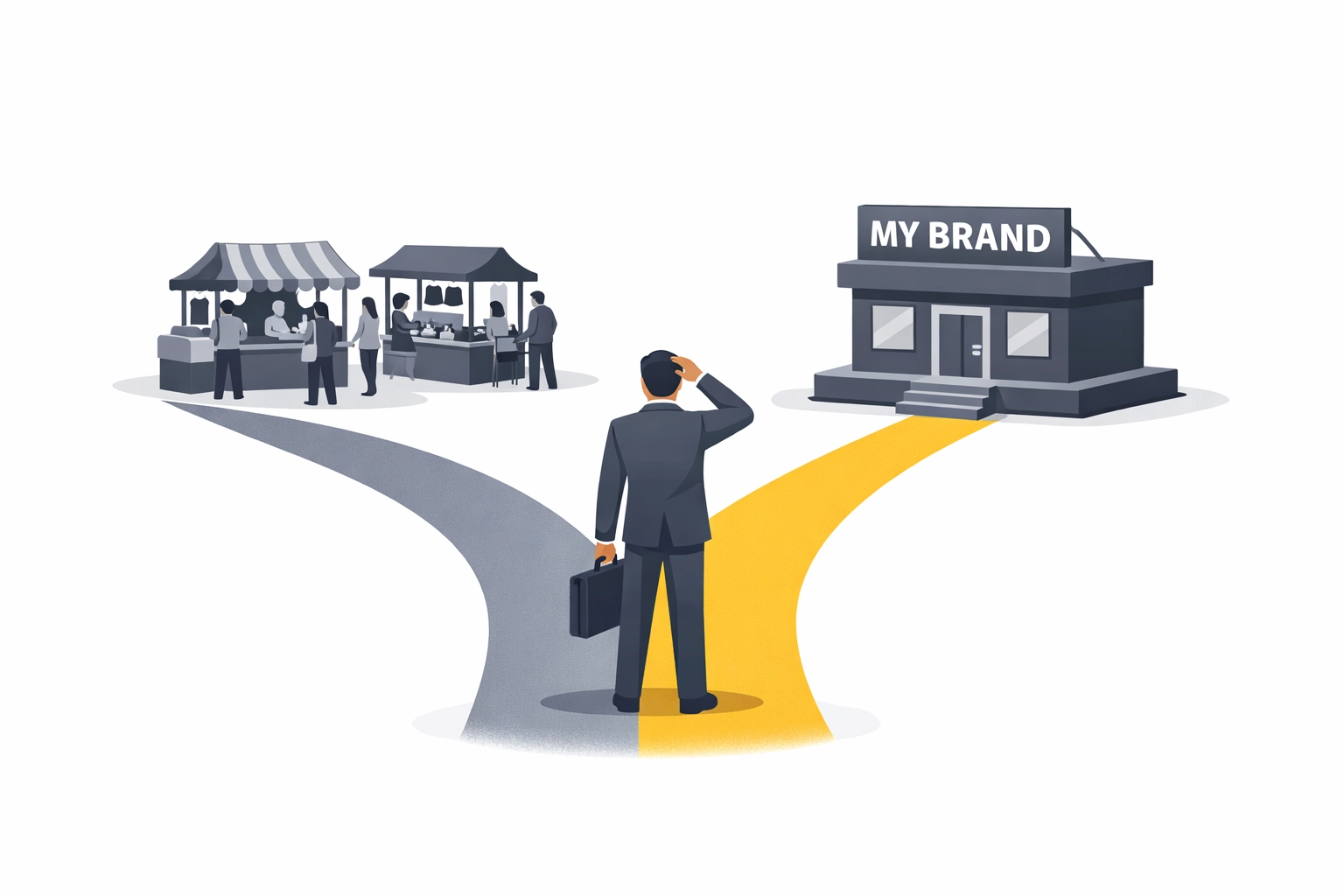
Ownership vs. Rental : Decide whether you're building on owned channels (retaining customer data and control) or marketplace platforms (gaining scale but sacrificing autonomy). For long-term business value, owned channels win.
Integration Simplicity : The platform should connect seamlessly with your existing e-commerce system, CRM, and payment processor. Complex integrations delay launches and create technical debt.
Mobile Experience : Most viewers watch on mobile devices. The platform must deliver smooth video, easy navigation, and frictionless checkout on smartphones and tablets.
No-Download Access : Requiring viewers to download apps creates abandonment. Browser-based platforms remove this barrier, especially important for first-time attendees.
Smart Invite and Tracking Links : For businesses using affiliate models or team-based selling, tracking who refers customers and attributing sales correctly is essential. Look for platforms with built-in link tracking and commission management.
Live Shopping Platform Features That Maximize Revenue
Beyond basic commerce capabilities, advanced features separate good platforms from great ones:
AI-Powered Recommendations : Smart product suggestions during presentations increase average order value by surfacing relevant add-ons and complementary items.
Multi-Presenter Support : Team selling, guest experts, and panel formats increase credibility and reach. Platforms supporting multiple simultaneous presenters enable richer experiences.
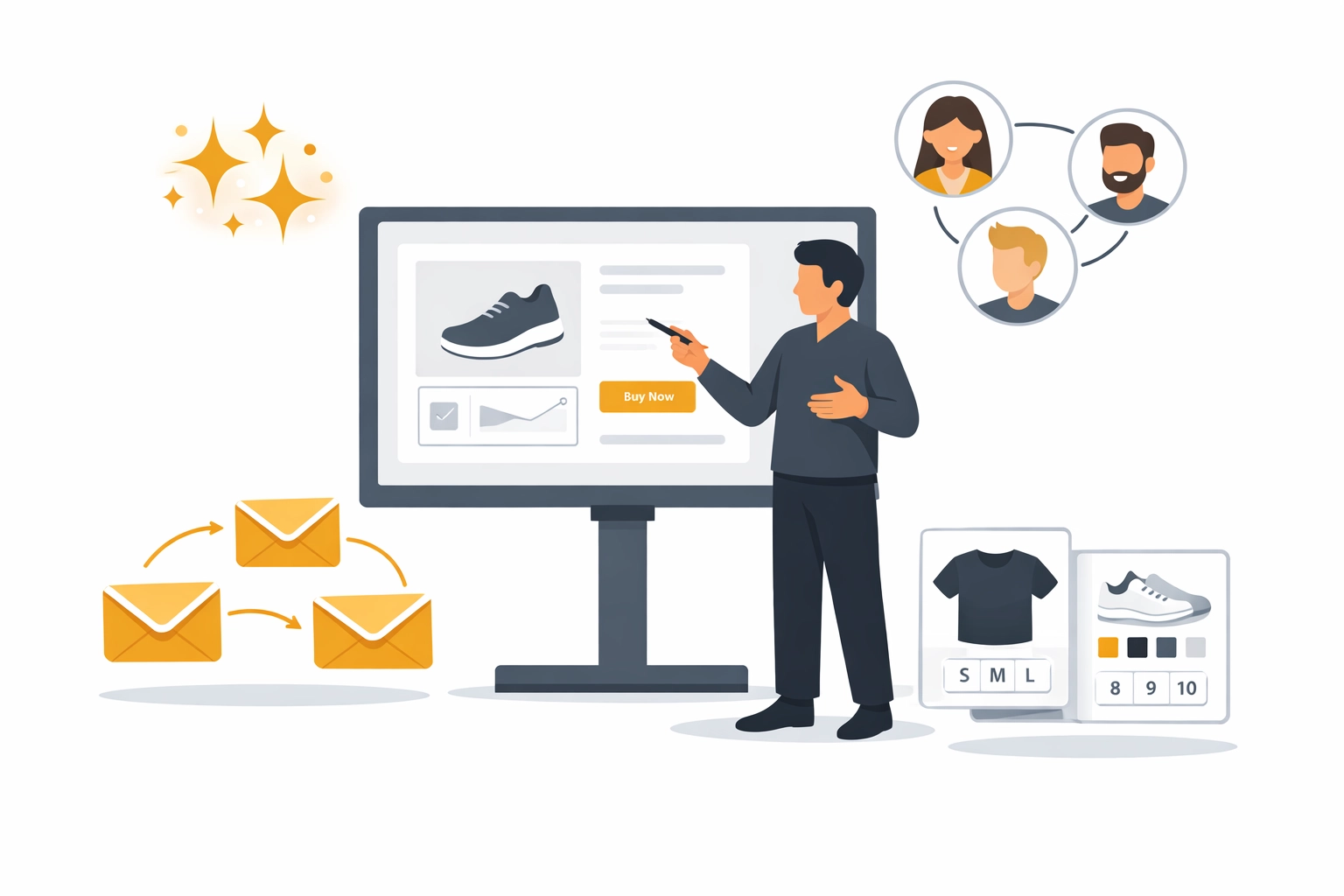
Automated Follow-Up Sequences : Converting non-buyers requires post-event nurturing. Platforms that trigger email sequences, retargeting campaigns, and reminder messages based on viewing behavior maximize total conversion.
Variant-Level Inventory Management : For businesses selling products with multiple options (sizes, colors, configurations), real-time variant tracking prevents overselling and customer disappointment.
Embedded Commerce Widgets : The ability to embed live shopping streams on your own website keeps the experience on-brand and prevents traffic leakage to external platforms.
Platform Selection by Business Type
Shopify Merchants : Look for platforms with native Shopify integration, instant add-to-cart functionality, and automatic inventory sync. Channelize excels here with no-code setup and variant-level control.
Fashion and Boutique Retailers : CommentSold provides templates and Facebook integration specifically designed for visual product selling and comment-based purchasing.
Network Marketing Teams and Consultants : Interactive webinar platforms with affiliate tracking, commission management, and team deployment features enable scalable selling through presentations. Look for platforms supporting team-based selling without complex technical setup.
B2B and High-Ticket Sales : Platforms emphasizing presentation quality, screen sharing, interactive touch capabilities, and post-event analytics work best for consultative selling and longer sales cycles.
The Future of Live Shopping: Interactive Webinar Platforms
The next evolution combines the best of both worlds: webinar-quality presentations with built-in commerce. Instead of choosing between Zoom for meetings and separate e-commerce tools for selling, these platforms unify the experience.
Shoppable video capabilities turn every presentation into a revenue opportunity. Whether you're demonstrating products, conducting consultations, or running team trainings, viewers can purchase instantly without leaving the session.
This approach works particularly well for businesses that rely on explanation and demonstration: supplements, skincare, financial services, coaching programs, software tools, and team-based selling models. The presentation educates while the integrated commerce tools convert.
Making the Switch from Traditional Web Conferencing
If you're currently using Zoom, WebEx, or Google Meet for sales presentations, transitioning to a live shopping platform doesn't require abandoning your existing tools. Many businesses use traditional conferencing for internal meetings while deploying specialized platforms for customer-facing sales events.
The key is matching the tool to the outcome. When the goal is communication, traditional platforms work fine. When the goal is conversion, purpose-built interactive presentation software with commerce features delivers superior results.
Key Takeaways for Choosing Your Live Shopping Platform
Start by defining your business model: Are you building a brand on owned channels or leveraging marketplace reach? Do you need full customer data ownership or are you comfortable with platform dependency?
Next, evaluate technical requirements: Does the platform integrate with your existing e-commerce system? Can viewers access it without downloads? Does it support mobile seamlessly?
Finally, consider your sales process: Do you sell through demonstrations and relationship-building, or impulse purchases and viral reach? Match platform features to your actual selling motion, not general capabilities.
The wrong platform creates friction. The right platform makes selling feel effortless: for both you and your buyers.
If you're evaluating Zoom alternatives for selling or engagement, it may be worth exploring interactive webinar platforms designed for conversion. Learn more about platforms built for selling, not just presenting.
Comments