


The Ultimate Guide to Shoppable Video: Everything You Need to Succeed
- Rick Amico
- Jan 28
- 6 min read
If you have been relying on platforms like Zoom to host webinars and presentations, you may have noticed a significant gap: the inability to seamlessly convert engaged viewers into buyers. Traditional video conferencing tools were designed for meetings, not for selling. That is where shoppable video technology enters the conversation. By integrating interactive purchasing elements directly into your webinar or presentation, you can transform passive viewers into active customers without asking them to leave your video experience.
This guide will walk you through everything you need to know about shoppable video, from how it works to best practices for implementation. Whether you are a business owner, consultant, or sales leader looking for a Zoom alternative that drives real conversions, this resource will help you understand why shoppable video is reshaping the way teams sell through presentations.
What Is Shoppable Video and Why Does It Matter?
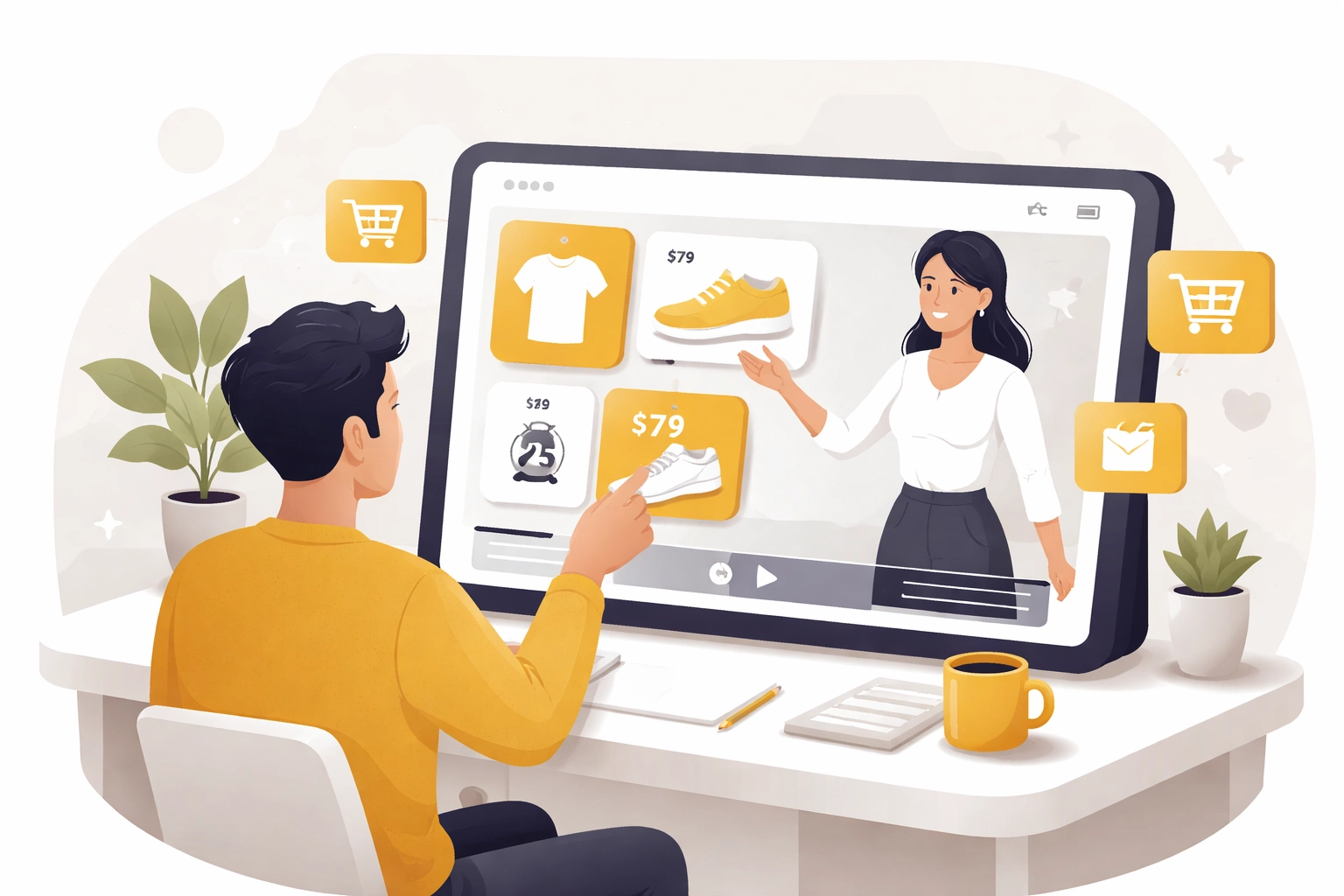
Shoppable video refers to interactive video content that allows viewers to click on embedded product links and make purchases directly within the video experience. Instead of watching a demonstration and then navigating to a separate website to complete a purchase, viewers can see a product, click on it, and buy: all without leaving the presentation.
This technology eliminates friction from the buying journey. Traditional webinar platforms require presenters to share links in chat boxes, hope attendees copy them correctly, and trust that viewers will follow through after the session ends. With shoppable video integration, the entire process becomes streamlined: see, click, buy.
For teams that rely on presentations to drive sales: whether in consulting, professional services, or team-based selling environments: this capability represents a significant upgrade over standard video conferencing tools.
Why Traditional Webinar Platforms Fall Short for Selling
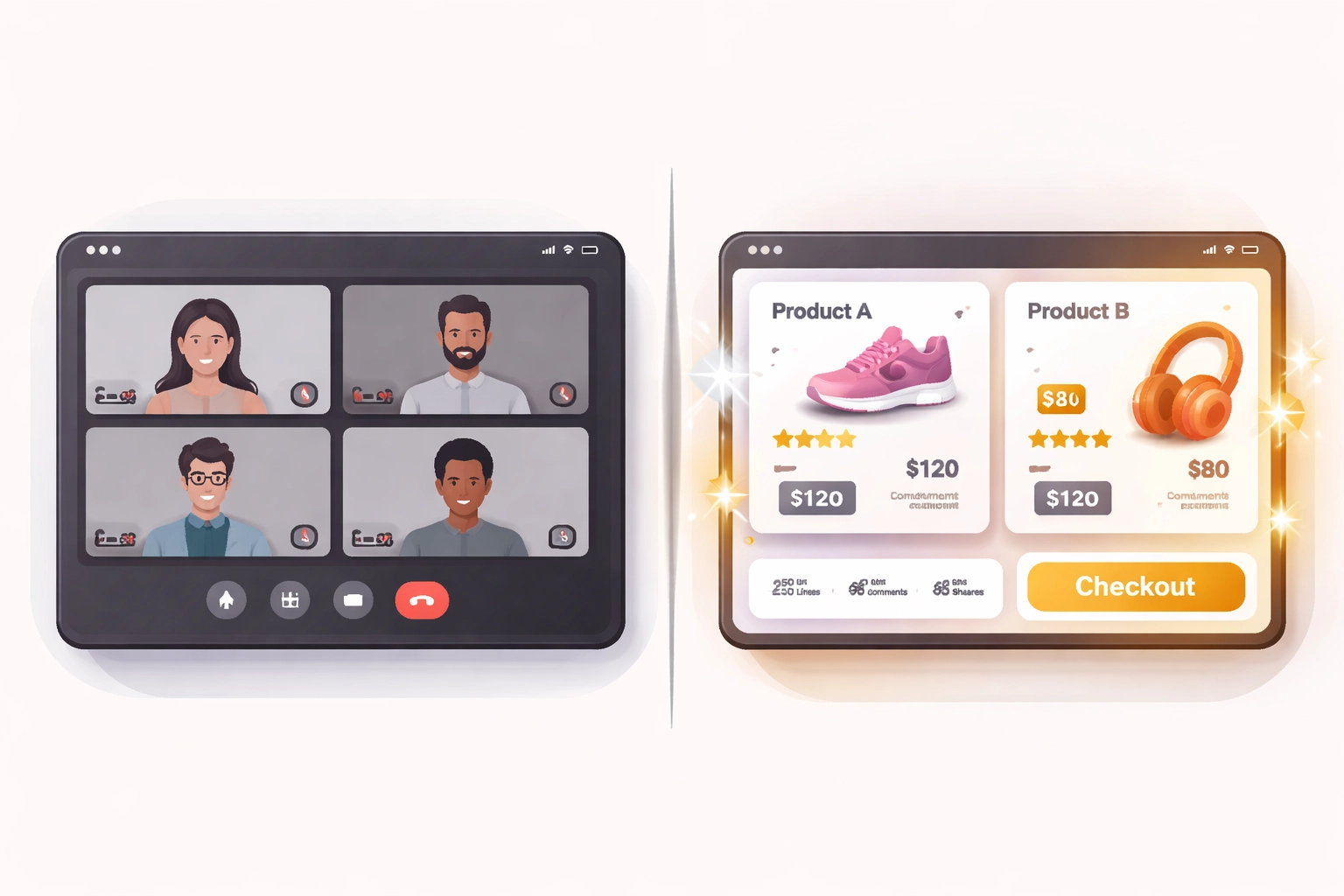
Most video conferencing and webinar software was built for communication, not conversion. Platforms like Zoom, Google Meet, and Webex excel at connecting people for meetings and discussions. However, when the goal shifts from collaboration to selling, these tools reveal their limitations:
Feature | Traditional Platforms (Zoom, Webex) | Interactive Webinar Platforms with Shoppable Video |
In-video purchasing | Not available | Built-in product tags and checkout |
Viewer engagement tracking | Basic attendance data | Detailed click-through and behavior analytics |
Seamless checkout | Requires external links | Integrated purchasing flow |
Product demonstration tools | Screen sharing only | Interactive touch screen experience |
Download requirements | Often required | No downloads needed |
When you are presenting to potential customers, every extra step creates an opportunity for drop-off. Asking viewers to open a new tab, find a product page, and complete checkout separately means losing sales to distraction and friction.
Key Benefits of Shoppable Video for Business Presentations
Higher Conversion Rates
Research indicates that shoppable video can increase conversion rates by up to 30 percent compared to traditional product pages. Some brands report even more dramatic results: up to 10 times the conversion rate of standard approaches. By reducing the buying journey to a simple "see, click, and buy" experience, you capture interest at the moment of highest engagement.
Deeper Viewer Engagement
Interactive elements transform passive watching into active participation. When viewers know they can click on products to learn more or make purchases, they pay closer attention to demonstrations. Studies show consumers are 64 percent more likely to make a purchase after watching a video: and that likelihood increases when the path to purchase is immediate.
Actionable Analytics
Shoppable video platforms provide granular data that traditional webinar tools cannot match. You gain insights into which products viewers clicked on, how long they engaged with specific items, and where they dropped off in the purchasing process. This information helps you refine future presentations and understand what resonates with your audience.
Reduced Shopper Fatigue
Traditional buying journeys require customers to search through websites, scroll through product lists, and remember what they saw during a presentation. Shoppable video eliminates these time-consuming steps, allowing customers to make informed decisions quickly while the demonstration is fresh in their minds.
Best Practices for Implementing Shoppable Video in Your Presentations
Tag Products Early in Your Presentation
Do not make viewers wait until the end of your presentation to access purchasing options. Place product tags early so you can capture impulse purchases when interest peaks. If someone decides they want what you are showing, the path to purchase should be immediately available.
Design for Mobile Viewing
Most video consumption now happens on mobile devices. Ensure your shoppable video experience includes vertical video optimization, thumb-friendly navigation, and quick loading speeds. A clunky mobile experience will cost you conversions regardless of how compelling your presentation content may be.
Keep Interactions Natural
Slip product tags into your narrative organically. The best shoppable videos place purchasing opportunities at emotional peaks: when viewers feel most connected to the product or solution: rather than interrupting the flow of your presentation.
Offer Seamless Checkout
The checkout process should feel like a natural extension of the viewing experience. Platforms that integrate smooth in-video checkout convert engaged viewers into buyers by removing every possible friction point. Look for solutions that allow customers to complete purchases without leaving your presentation environment.
Use Visible but Non-Intrusive Calls to Action
Your call-to-action buttons should be visible enough that viewers understand their options but subtle enough that they do not distract from your content. Consistent placement helps viewers know where to look when they are ready to take action.
How Shoppable Video Works Behind the Scenes
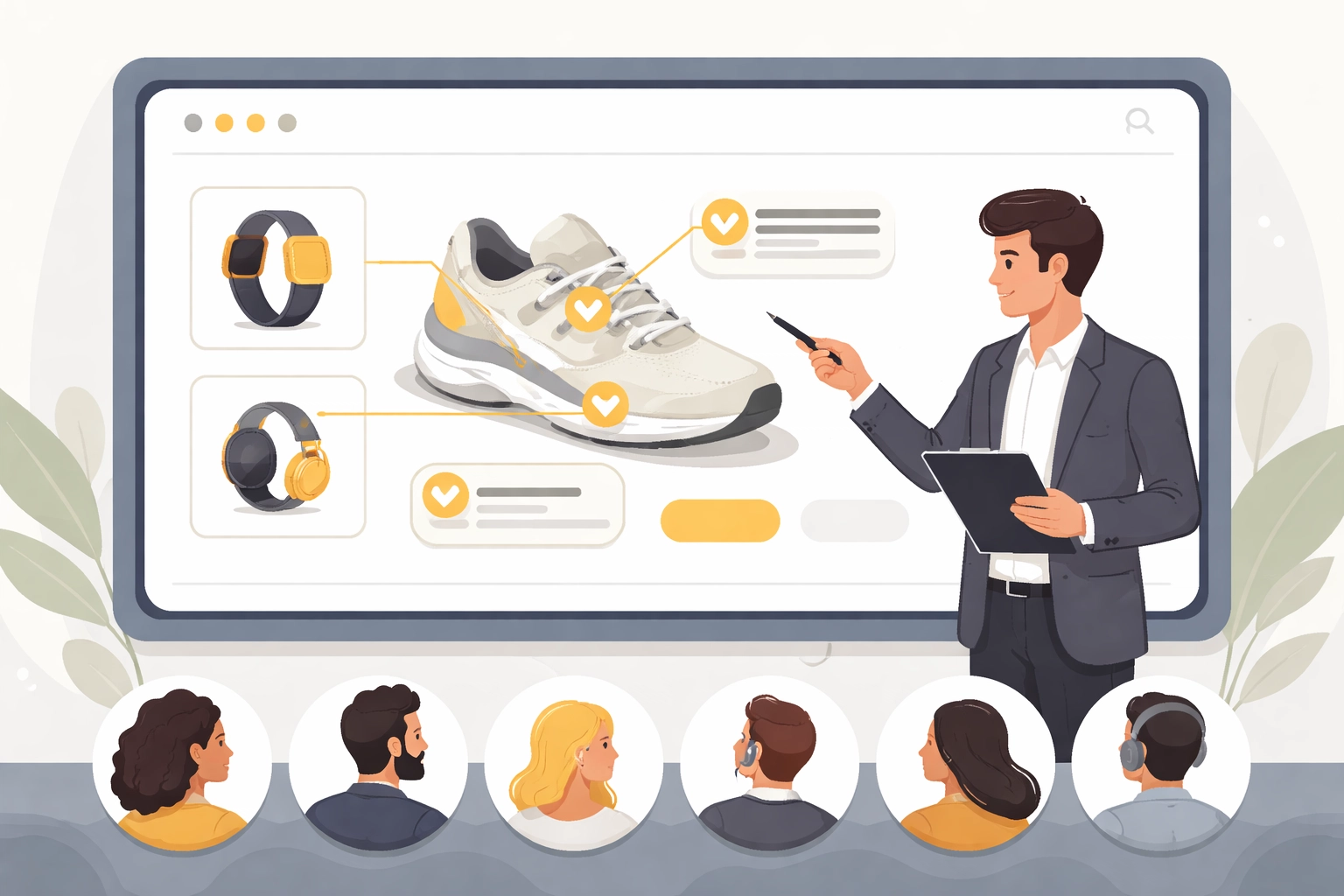
When viewers click on a product tag within your presentation, a card appears displaying product images, available options, and pricing information. Customers can add items to their cart or proceed directly to checkout without leaving the video.
The best shoppable video platforms integrate with your existing ecommerce systems, automatically synchronizing inventory data, product variants, and promotional information. This means you do not have to manually update pricing or availability: the system handles it seamlessly.
For teams that offer services or solutions through presentations, this technology also supports smart invite links that track which team members or partners drove specific sales. This capability makes shoppable video particularly valuable for organizations with team-based selling structures or affiliate relationships.
Industries and Use Cases That Benefit Most
Products and services that require visual demonstration or contextual storytelling perform especially well in shoppable video format. Consider:
Consultants and service providers demonstrating solutions to potential clients
Sales teams presenting product lines to prospects
Training organizations offering courses and educational materials
Professional service firms walking clients through service packages
These formats give viewers a comprehensive understanding of what they are purchasing while making the transaction effortless.
Choosing the Right Platform for Shoppable Video Webinars
When evaluating platforms for shoppable video capabilities, consider these factors:
No Download Requirements: Your viewers should not need to install software to participate. Browser-based solutions reduce friction and increase attendance rates.
Interactive Touch Screen Experience: Look for platforms that offer engaging, interactive presentation tools beyond basic screen sharing.
Smart Tracking Capabilities: If you work with a team or partners, ensure the platform provides tracking tools that attribute sales correctly.
Seamless Ecommerce Integration: The platform should connect smoothly with your existing payment and inventory systems.
AI-Powered Features: Modern platforms increasingly offer AI capabilities that enhance presentations and automate follow-up processes.
If you want to explore platforms built specifically for selling through presentations, you can learn more about interactive webinar solutions here.
The Future of Selling Through Video Presentations
Expect shoppable video technology to become increasingly sophisticated. Personalized recommendations based on viewer behavior, dynamic pricing that surfaces at optimal moments, and location-aware promotions are already emerging capabilities.
For sales leaders and business owners, the message is clear: video conferencing tools designed for meetings will not deliver the same results as platforms built for selling. The gap between communication and conversion is where shoppable video lives: and organizations that adopt this technology early will have a significant advantage.

Taking the Next Step
Shoppable video represents a fundamental shift in how businesses can leverage presentations for sales. By removing friction from the buying journey, providing detailed engagement analytics, and creating seamless purchasing experiences, this technology addresses the core limitations of traditional webinar platforms.
For teams ready to move beyond basic video conferencing, exploring interactive platforms with built-in commerce capabilities is a logical next step. You can book a demonstration to see how these features work in practice.
If you are evaluating Zoom alternatives for selling or engagement, it may be worth exploring interactive webinar platforms designed for conversion.
Comments