

Zoom Alternative with Shopping Built In: Why Interactive Webinar Software Is Taking Over in 2026
- Rick Amico
- Feb 7
- 5 min read
If you're still using Zoom for webinars, you're probably noticing the same frustration that thousands of sales teams, consultants, and business owners are experiencing right now. Zoom works great for internal meetings and catch-ups with your team. But when it comes to actually selling something: whether that's a product, a service, or a business opportunity: Zoom wasn't built for that. As we move deeper into 2026, businesses are switching to interactive webinar software designed specifically for conversion. These platforms combine the meeting experience you know with built-in shopping features, tracking tools, and engagement mechanics that actually move prospects toward a buying decision.
The shift is happening fast. Companies that rely on presentations to drive revenue are realizing that a Zoom alternative built for selling isn't just a nice-to-have: it's essential for staying competitive.
Why Zoom Falls Short When You're Trying to Sell
Zoom is a video conferencing platform. It does video and audio really well. But if your goal is to close deals, demonstrate products, or convert viewers into customers, you'll quickly hit its limitations.
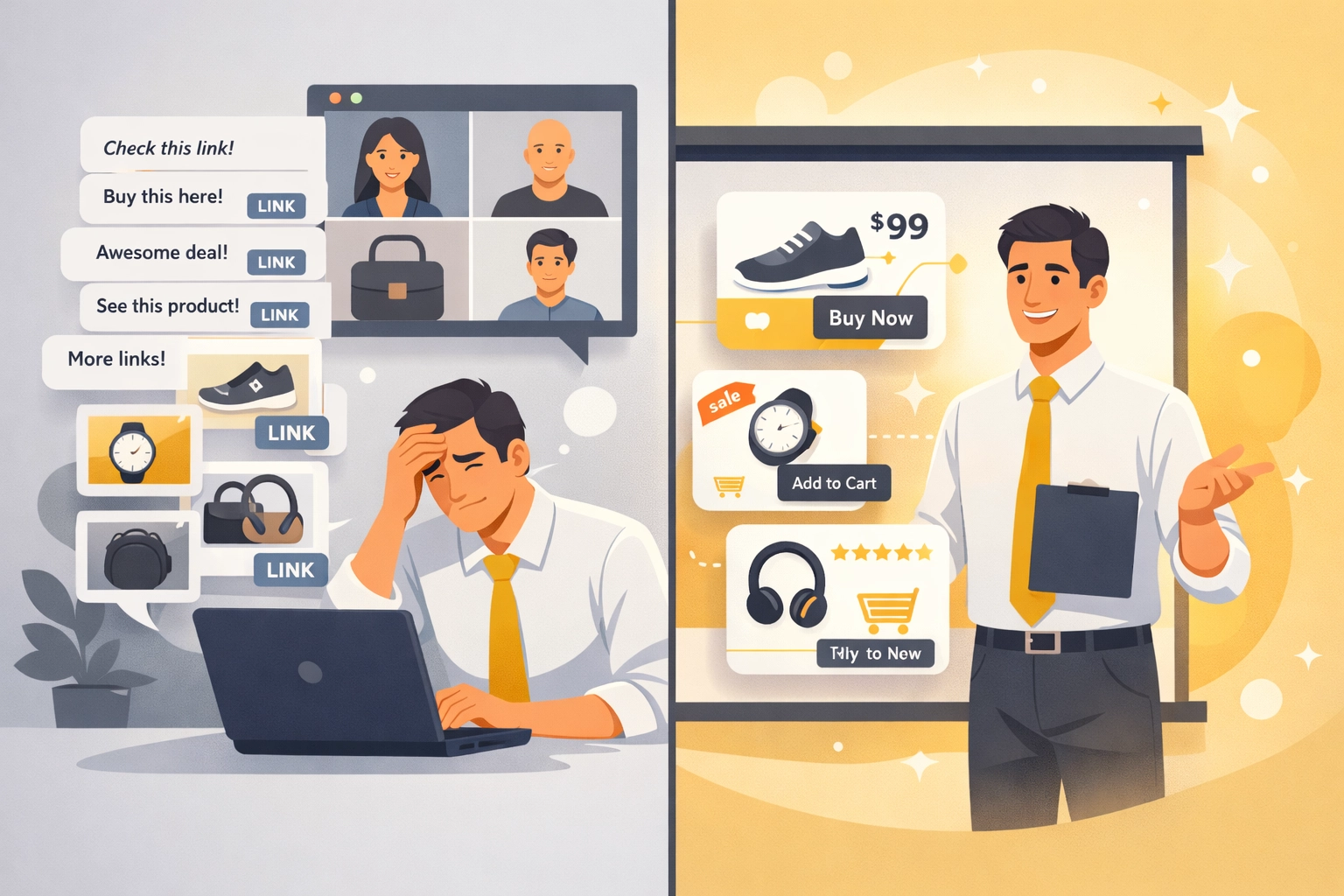
No native shopping integration. If you want someone to buy during or after your presentation, you're copying and pasting links into the chat, hoping people click, and losing track of who actually engaged. There's no seamless path from presentation to purchase.
Limited engagement tools. Zoom offers polls and breakout rooms, but it doesn't give you interactive touch-screen experiences, clickable product showcases, or real-time engagement scoring that tells you who's hot and who's cold.
Zero tracking beyond attendance. You know who showed up, but you don't know who clicked what, who watched until the end, or who's ready to buy. If you're running a team-based business or working with affiliates, you can't track which invite brought in the best prospects.
Not built for sales funnels. There's no direct integration with e-commerce platforms, no commission tracking for affiliates, and no post-webinar automation that moves people through a buying journey.
For internal collaboration, Zoom is solid. For selling? You need something else.
What Makes Interactive Webinar Software Different
Interactive webinar platforms are purpose-built for one thing: converting viewers into customers. They combine video presentations with shopping features, engagement tools, and tracking capabilities that traditional web conferencing software simply doesn't offer.
Here's what sets them apart:
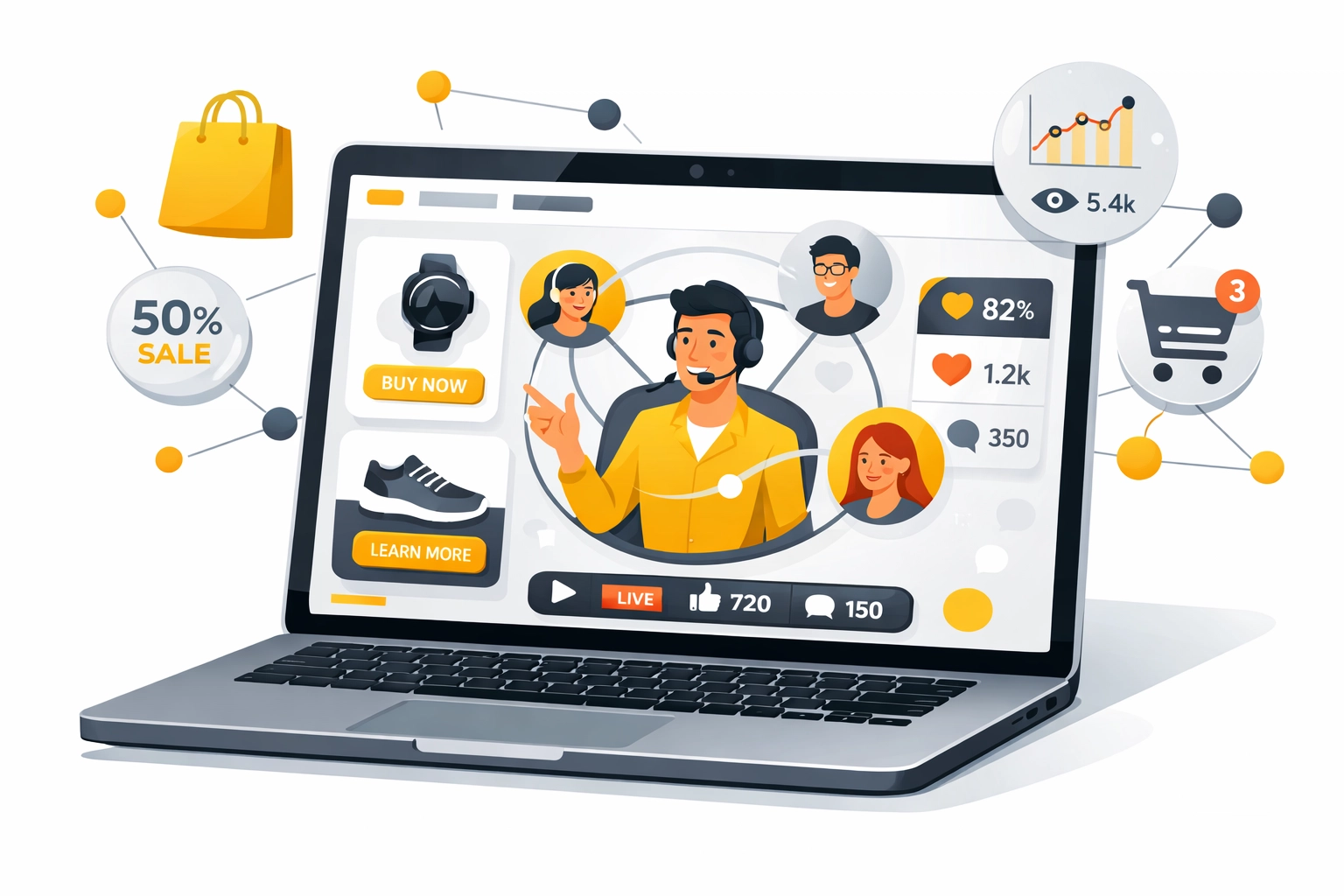
Built-in shopping integration. Instead of dumping links into a chat, you display products directly on the screen. Viewers can click, browse, and purchase without ever leaving the webinar. It's a live shopping experience embedded right into your presentation.
Interactive touch-screen capabilities. Think less "talking head on a webcam" and more "interactive storefront." You can showcase products, zoom in on details, and create a dynamic experience that keeps people engaged and ready to buy.
Smart invite links with tracking. Every invite link can be tracked. You know who shared it, who clicked it, and who ultimately converted. If you're building a team or working with platform partners, this level of attribution changes everything.
No downloads required. Prospects join with one click. No app to install, no account to create, no friction between "I'm interested" and "I'm in the room."
AI-powered engagement features. Modern platforms use AI to suggest optimal engagement moments, personalize follow-ups, and even analyze which parts of your presentation drive the most interest.
When you combine all of this with the core video and audio quality you expect, you get a platform that doesn't just host webinars: it drives revenue.
Zoom vs. Interactive Webinar Software: A Quick Comparison
Feature | Zoom | Interactive Webinar Platforms |
Video quality | Excellent | Excellent |
Shopping integration | None | Native, one-click purchasing |
Engagement tools | Basic polls | Interactive touch screen, clickable showcases |
Tracking & attribution | Attendance only | Full funnel tracking with smart links |
E-commerce integration | Manual | Seamless, built-in |
Download required | Yes (for full features) | No |
Best for | Team meetings, collaboration | Sales presentations, product demos, converting prospects |
The difference isn't just about features: it's about what the platform was designed to do. Zoom was built for communication. Interactive webinar software was built for conversion.
Why Shopping Integration Matters for Webinars
Here's the reality: people make buying decisions in the moment. If someone is excited about your product during a live presentation and they have to jump through hoops to actually purchase it: opening a new tab, finding the link, entering payment info on a separate site: you lose them.
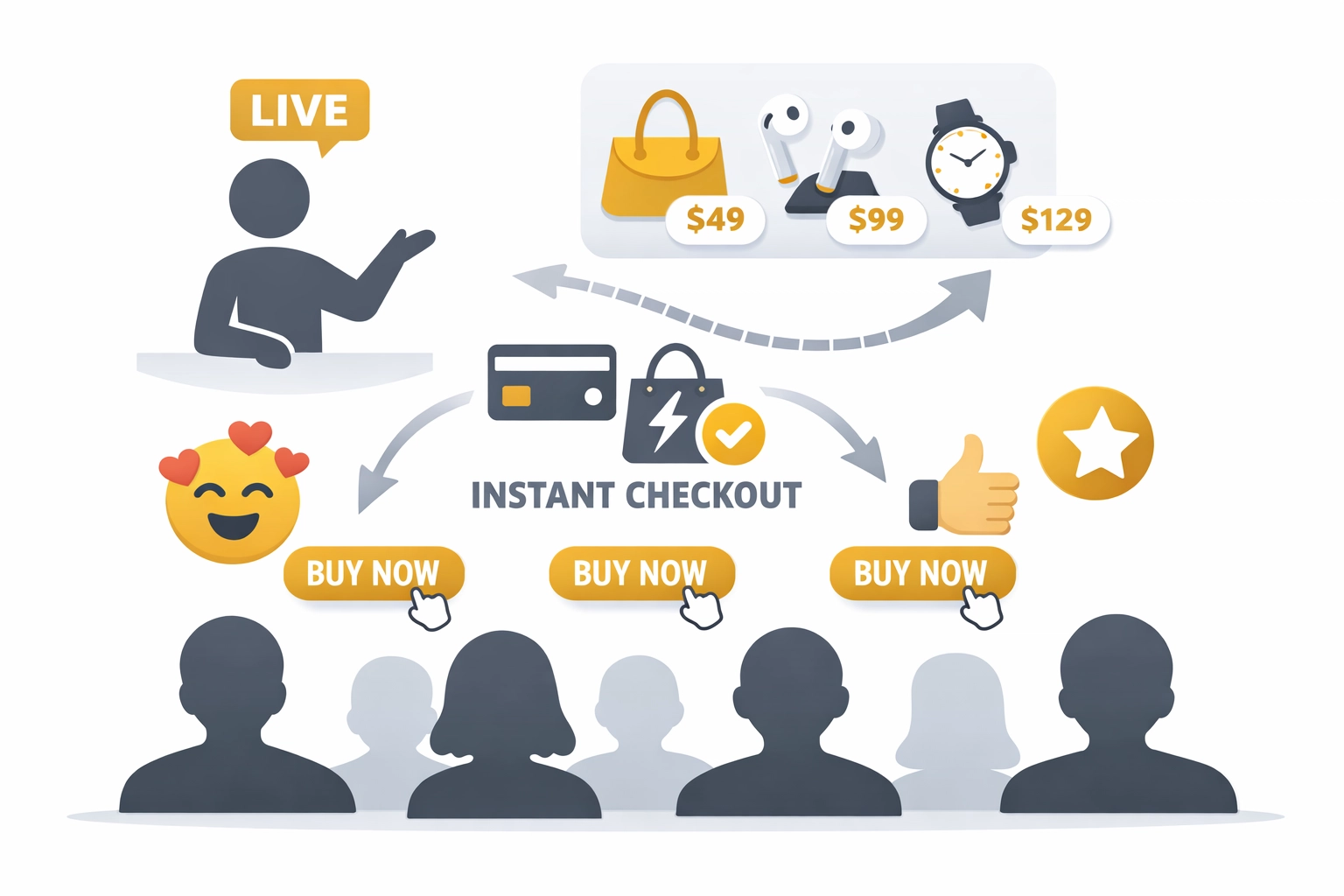
Shopping integration removes that friction. When viewers can click a product directly on the screen, see the details, and complete the purchase without leaving the experience, conversion rates skyrocket.
This is especially powerful for:
Product demonstrations. Show the product, answer questions, and give viewers a one-click path to purchase: all in real time.
Service providers and consultants. Showcase your offering, build urgency with limited-time pricing, and let prospects book or buy on the spot.
Teams and affiliates. If you're offering a platform that others can use to grow their own businesses, shopping integration means they can drive sales directly from their presentations. Combined with commission tracking, you create a tool businesses can actually offer to their clients or team members.
The line between "watching a presentation" and "making a purchase" has never been thinner: and that's exactly the point.
Who Needs a Zoom Alternative with Shopping Features?
If you're in any of these situations, an interactive webinar platform is worth exploring:
Sales teams running regular product demos. If your sales process involves live presentations, you need a platform that supports that process from start to finish: including the actual sale.
Coaches and consultants selling programs. Webinars are a proven model for high-ticket sales, but only if the technology supports conversion, not just communication.
E-commerce brands doing live product launches.Live stream shopping is exploding because it combines urgency, engagement, and instant purchasing. If you're launching products, you need a platform built for that.
Network marketing leaders and teams. If you're deploying a webinar platform across a team or downline, tracking and attribution become critical. You need to know which presentations drove results and who gets credit for the referral.
Anyone offering a client-facing platform. If part of your business model involves providing tools to others: whether that's affiliates, consultants, or business partners: you need a platform that includes commission tracking, attribution, and a seamless user experience.
The Future of Webinars Is Interactive (and Shoppable)
The webinar model isn't going anywhere. If anything, it's becoming more central to how businesses sell. But the technology is evolving fast.
In 2026, businesses aren't just looking for a way to host a video call. They're looking for a complete sales environment: one that engages viewers, tracks behavior, integrates with their existing tools, and makes it easy for prospects to take the next step.
That's why platforms like Pxch are gaining traction. They combine the best parts of video conferencing with the conversion-focused features that Zoom and other traditional meeting platforms simply don't offer.
You get the interactive touch-screen experience, the live shopping integration, the smart tracking, and the AI-powered tools: all without requiring participants to download anything. It's the kind of platform that works for your first webinar and scales as you grow.
Making the Switch: What to Look For
If you're ready to move beyond Zoom for your sales presentations, here's what to prioritize:
Shopping integration. Can viewers purchase directly from the presentation, or do they have to leave the platform?
Tracking and attribution. Do you know where your viewers came from and which actions they took? If you're working with a team, can you track who referred whom?
Engagement tools. Are you limited to basic polls, or do you have interactive features that keep people engaged and signal buying intent?
Ease of use. Does the platform require downloads, sign-ups, or complicated setup? The less friction for your prospects, the better.
E-commerce integration. Does the platform connect seamlessly with your existing tools, or will you be juggling multiple systems?
The right platform doesn't just replace Zoom: it transforms how you sell.
If you're evaluating Zoom alternatives for selling or engagement, it may be worth exploring interactive webinar platforms designed for conversion.
Comments